As a seasoned supplier of woven duffel bags, I’ve witnessed firsthand the ever – evolving demands and preferences of consumers in the bag market. One of the most common questions that potential buyers often pose is, "Do woven duffel bags have a sturdy construction?" In this blog, I aim to provide a comprehensive and scientific answer to this query, drawing on my years of experience and in – depth knowledge of the product. Woven Duffel Bags
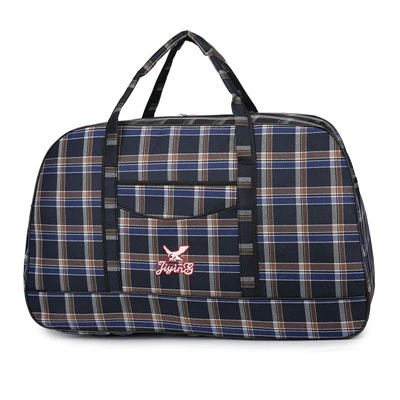
Understanding the Basics of Woven Duffel Bags
Before delving into the sturdiness of woven duffel bags, it’s essential to understand what they are. Woven duffel bags are crafted from a fabric that is created by interlacing threads in a specific pattern. This weaving process gives the fabric its unique texture and properties. The most common materials used in woven duffel bags include cotton, nylon, and polyester, each with its own set of characteristics.
Cotton is a natural fiber that is known for its softness and breathability. It has been used in the textile industry for centuries and is often used in the production of high – end, fashion – forward duffel bags. However, pure cotton may lack the extreme durability required for heavy – duty use, as it can be prone to tearing and abrasion over time.
Nylon, on the other hand, is a synthetic fiber that is highly regarded for its strength and resilience. It has excellent abrasion resistance and is often used in bags meant for outdoor activities, such as hiking and camping. Nylon woven duffel bags can withstand rough handling and harsh environmental conditions.
Polyester is another popular choice. It is similar to nylon in terms of durability but is generally more affordable. Polyester woven duffel bags are often water – resistant, making them suitable for a variety of uses.
The Construction Elements That Contribute to Sturdiness
Weave Pattern
The weave pattern of the fabric is a crucial factor in determining the sturdiness of a woven duffel bag. One of the most durable weave patterns is the twill weave. In a twill weave, the threads cross over each other at an angle, creating a diagonal pattern. This pattern distributes stress evenly across the fabric, making it less likely to tear or develop holes. For example, military – style duffel bags often use a twill – woven fabric because of its strength and ability to withstand heavy use.
Another common weave is the plain weave, where the threads alternate over and under each other. While plain – woven fabrics are generally less expensive to produce, they are not as strong as twill – woven fabrics. However, some manufacturers use advanced techniques to reinforce plain – woven fabrics, such as adding extra layers or using a higher – density thread.
Reinforcement at Stress Points
Even the strongest fabric can fail if it is not properly reinforced at the stress points. Stress points in a duffel bag include the corners, the handles, and the zipper area. A well – constructed woven duffel bag will have additional layers of fabric or stitching at these points to prevent tearing.
For the handles, thick webbing or reinforced stitching is often used. This ensures that the handles can bear the weight of the contents without breaking. At the corners, some manufacturers use metal or plastic caps to protect the fabric from abrasion and tearing. The zipper area is also critical, as a weak zipper can render an otherwise sturdy bag useless. High – quality zippers with strong teeth and a smooth sliding mechanism are essential for a durable duffel bag.
Stitching Quality
The quality of the stitching is another vital aspect of a woven duffel bag’s sturdiness. Professional manufacturers use industrial – grade sewing machines and strong threads to ensure that the seams hold up under pressure. Double – stitching, where two rows of stitches are used, is often employed to provide extra strength.
In addition to the type of stitching, the stitch density also matters. A higher stitch density means that there are more stitches per inch, which results in a stronger and more durable seam. Quality control measures are in place during the manufacturing process to check for loose threads, skipped stitches, or uneven stitching, all of which can compromise the bag’s durability.
Testing the Sturdiness of Woven Duffel Bags
To ensure the sturdiness of our woven duffel bags, we conduct a series of rigorous tests. One of the most common tests is the abrasion test. In this test, we rub the fabric of the duffel bag against a rough surface for a specified number of times. We then examine the fabric for signs of wear, such as pilling or fraying. If the fabric shows minimal damage after the test, it indicates that it has good abrasion resistance.
We also conduct a load – bearing test. We fill the duffel bag with a specified weight and hang it for a certain period. This test helps us evaluate the strength of the handles and the overall structure of the bag. If the bag does not show any signs of tearing or deformation during this test, it is considered to have a sturdy construction.
Another important test is the zipper test. We open and close the zipper a large number of times to check for smooth operation and any signs of damage to the teeth. A durable zipper should be able to withstand thousands of cycles without getting stuck or breaking.
Applications and the Need for Sturdiness
The sturdiness of woven duffel bags makes them suitable for a wide range of applications. For travelers, a durable duffel bag can withstand the rigors of airport handling, including being tossed around on the conveyor belt and stacked in the overhead compartment. A sturdy duffel bag can also protect the contents from damage during long – distance travel.
Athletes also benefit from the sturdiness of woven duffel bags. Whether it’s for carrying sports equipment to and from the gym or for traveling to away games, a strong duffel bag can hold heavy weights without falling apart. Outdoor enthusiasts, such as campers and hikers, rely on sturdy duffel bags to carry their gear through rough terrain. A bag that can withstand scratches, punctures, and moisture is essential for these types of activities.
Our Commitment as a Supplier
As a supplier of woven duffel bags, we are committed to providing our customers with products that are not only stylish but also extremely sturdy. We source the highest – quality materials from trusted suppliers and use state – of – the – art manufacturing techniques. Our team of experienced craftsmen pays attention to every detail, from the selection of the fabric to the final quality check.
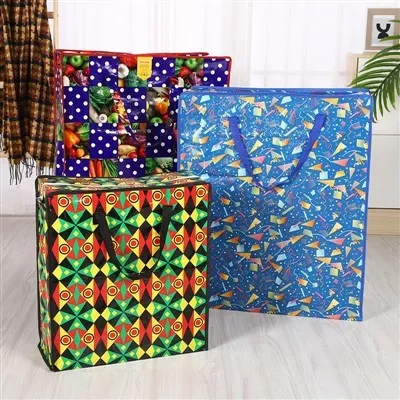
We understand that different customers have different needs, so we offer a wide range of woven duffel bags in various sizes, colors, and styles. Whether you’re looking for a small, lightweight duffel for a weekend trip or a large, heavy – duty bag for industrial use, we have the right product for you.
Contact Us for Purchase and Negotiation
Woven Duffel Bags If you’re interested in purchasing woven duffel bags for your business or personal use, we invite you to contact us for negotiation. Our team of sales experts is ready to provide you with detailed product information, quotes, and any assistance you may need. We believe in building long – term relationships with our customers based on trust, quality, and excellent service.
References
- "The Handbook of Textile Fibers" by Felix L. Norman
- "Materials Science and Engineering: An Introduction" by William D. Callister, Jr.
- Industry reports on the duffel bag market and textile manufacturing.
Baigou New City Aoran Bag Manufacturing Co., Ltd.
We’re well-known as one of the leading woven duffel bags manufacturers and suppliers in China. With abundant experience, we warmly welcome you to wholesale bulk high quality woven duffel bags made in China here from our factory. Customized orders are welcome.
Address: No. 01, Sizhuang Town Industrial Park, Gaobeidian City, Baoding City, Hebei Province
E-mail: aoran1988@outlook.com
WebSite: https://www.aoranluggage.com/
