In the ever – evolving landscape of technology, wireless chargers have emerged as a convenient and revolutionary solution for powering our electronic devices. As a supplier of wireless chargers, I often encounter various questions from customers, and one that frequently comes up is: "Do wireless chargers work on metal surfaces?" In this blog, I’ll delve into the science behind wireless charging, explore how metal surfaces interact with it, and provide insights based on our experience in the industry. Wireless Charger

Understanding Wireless Charging Technology
Wireless charging, also known as inductive charging, is based on the principle of electromagnetic induction. This concept was first discovered by Michael Faraday in the 19th century. At its core, an electric current passing through a coil (the transmitter coil in the wireless charger) creates a magnetic field. When a compatible device with a receiver coil is placed within this magnetic field, an alternating current is induced in the receiver coil. This induced current is then converted into direct current to charge the device’s battery.
Most of today’s wireless chargers adhere to the Qi standard, which is widely adopted by major smartphone manufacturers. The Qi standard operates at a frequency range of 100 – 205 kHz and is designed to provide a safe and standardized way to charge devices wirelessly.
The Impact of Metal Surfaces on Wireless Charging
1. Eddy Currents
When a metal surface is placed in the magnetic field generated by a wireless charger, the changing magnetic flux can induce eddy currents in the metal. Eddy currents are circular electric currents that flow within the metal. According to Lenz’s law, these eddy currents create their own magnetic fields that oppose the change in the original magnetic field.
This opposition can cause a few problems. Firstly, it can reduce the efficiency of the wireless charging process. The magnetic field from the eddy currents interferes with the magnetic field of the wireless charger, making it more difficult for the receiver coil in the device to pick up the induced current. As a result, the charging speed may slow down significantly.
Secondly, the flow of eddy currents in the metal generates heat. This is because the metal has electrical resistance, and according to Joule’s law (P = I²R, where P is power dissipated as heat, I is current, and R is resistance), the current flowing through the metal causes it to heat up. Excessive heat can not only damage the metal surface but also pose a risk to the wireless charger and the device being charged.
2. Magnetic Shielding
Some metals, especially ferromagnetic materials like iron, nickel, and cobalt, can act as magnetic shields. These materials have high magnetic permeability, which means they can attract and concentrate magnetic field lines. When a ferromagnetic metal surface is placed between the wireless charger and the device, it can divert the magnetic field away from the receiver coil in the device.
As a consequence, the device may not receive enough of the magnetic field to induce a sufficient current for charging. In some cases, the device may not charge at all. Even if the metal is not thick enough to completely block the magnetic field, it can still distort the field pattern, leading to inconsistent charging performance.
Exceptions and Special Cases
1. Thin Metallic Coatings
Not all metal surfaces are created equal. In some cases, a very thin metallic coating on a non – metallic surface may not have a significant impact on wireless charging. For example, some smartphones have a thin layer of metal on their back for aesthetic purposes. As long as the coating is thin enough and does not form a continuous conductive loop, the wireless charger can still work effectively.
The key here is that the thin coating does not allow for the generation of strong eddy currents. The magnetic field can penetrate through the thin metal layer and reach the receiver coil in the device.
2. Specialized Wireless Chargers
At our company, we are constantly researching and developing new technologies to overcome the challenges posed by metal surfaces. We have designed specialized wireless chargers that can work in the presence of certain metal objects. These chargers use advanced circuitry and coil designs to compensate for the interference caused by eddy currents and magnetic shielding.
For example, some of our chargers feature adaptive frequency control. This technology adjusts the frequency of the magnetic field in real – time to optimize the charging process, even when there is a metal surface nearby. Additionally, we use shielded coils and advanced magnetic core materials to reduce the impact of magnetic interference.
Testing and Real – World Experiences
We have conducted extensive testing on our wireless chargers to evaluate their performance on different metal surfaces. In one set of experiments, we tested our chargers on a variety of metals, including aluminum, steel, and copper. We found that the charging efficiency decreased significantly on thick metal plates, especially those made of ferromagnetic materials.
However, when we used our specialized chargers, we were able to achieve much better results. For instance, on a thin aluminum plate, the specialized charger could maintain a relatively high charging speed, while a standard charger would experience a substantial drop in efficiency.
In real – world scenarios, we have received feedback from customers who have tried using our wireless chargers on metal – topped desks or in metal – lined cases. Many of them were pleasantly surprised to find that our chargers could still charge their devices, albeit at a slightly reduced speed in some cases.
Recommendations for Using Wireless Chargers on Metal Surfaces
If you need to use a wireless charger on a metal surface, here are some recommendations based on our experience:
- Use a Non – Conductive Pad: Place a non – conductive pad, such as a silicone or plastic mat, between the wireless charger and the metal surface. This can prevent the formation of eddy currents and reduce the interference caused by the metal.
- Opt for Our Specialized Chargers: If you frequently need to charge your devices on metal surfaces, consider using our specialized wireless chargers. They are designed to handle the challenges posed by metal and provide a more reliable charging experience.
- Avoid Thick Ferromagnetic Metals: Try to avoid placing the wireless charger on thick ferromagnetic metal surfaces, such as large iron or steel plates. These metals are more likely to cause significant interference and may even prevent the device from charging.
Conclusion
In conclusion, while wireless chargers generally face challenges when used on metal surfaces due to eddy currents and magnetic shielding, it is not impossible to make them work. With the right technology and precautions, you can still enjoy the convenience of wireless charging even in the presence of metal.
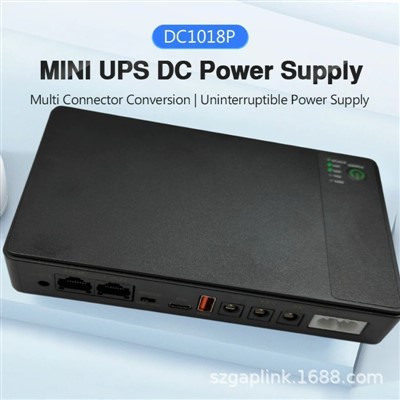
As a leading supplier of wireless chargers, we are committed to providing our customers with high – quality products that can meet their diverse needs. Whether you are using a wireless charger at home, in the office, or on the go, we have the solutions to ensure a seamless charging experience.
POE-432EM If you are interested in learning more about our wireless chargers or are looking to place an order for your business, we welcome you to contact us for a procurement discussion. Our team of experts is ready to assist you in finding the best wireless charging solutions for your requirements.
References
- "The Physics of Inductive Charging" – Physics Today Journal
- "Qi Wireless Charging Standard: Technical Overview" – Wireless Power Consortium
- "Eddy Currents and Their Effects in Electrical Systems" – IEEE Transactions on Magnetics
Shenzhen Jingangxia Technology Co., Ltd.
We are one of the most reliable wireless charger manufacturers and suppliers in China, specialized in providing high quality customized service for global clients. Please rest assured to wholesale discount wireless charger for sale here from our factory.
Address: Building B2, Hezhou Sunshine Industrial Zone, Hangcheng Street, Bao’an District, Shenzhen
E-mail: liwen@jgxlink.com
WebSite: https://www.upsdcpower.com/
