Yo, what’s up! I’m a supplier of link fittings, and today I wanna have a chat with y’all about whether link fittings are easy to install. It’s a question I get asked a bunch, so I figured it’d be cool to break it down right here on the blog. Link Fittings
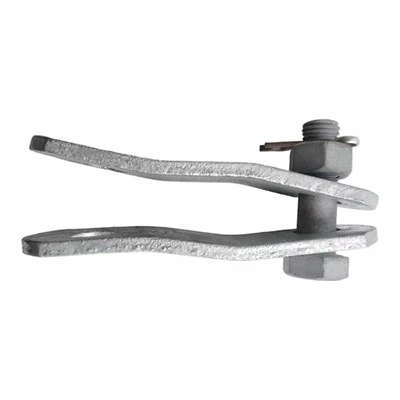
First things first, let me give you a quick rundown on what link fittings are. Link fittings are those little parts that connect different components in a system. They’re used in all sorts of industries, from construction and manufacturing to automotive and aerospace. You can find them in chains, ropes, cables—basically anywhere you need to make a secure connection between two things.
Now, back to the main question: are they easy to install? Well, the answer is… it depends. There are a whole bunch of factors that can affect how easy or hard it is to install link fittings, and I’m gonna go through some of the big ones with you.
The Type of Link Fitting
There are tons of different types of link fittings out there, and each one has its own installation process. Some are super simple, while others are a bit more complicated.
-
Open Link Fittings: These are probably the easiest to install. They’re like the basic building blocks of link fittings. They usually have an open design, so you can just slide them onto the components you want to connect. For example, if you’re working with a chain, you can easily add an open link fitting to extend the chain or attach it to something else. All you need is a pair of pliers to bend the link open a little bit, slide it in place, and then close it back up. Voila! You’re done.
-
Closed Link Fittings: These are a bit more tricky. Closed link fittings are designed to be more secure, so they usually require some form of fastening method to install. This could be a pin, a bolt, or a locking mechanism. You’ll need the right tools for the job, like a wrench or a screwdriver, and you have to make sure everything is tightened up properly. If you don’t do it right, the fitting might come loose, and that could be a real safety hazard.
-
Specialty Link Fittings: Then there are the specialty link fittings, which are designed for specific applications. These can be the most difficult to install because they often have unique requirements. For example, some link fittings used in high-pressure systems need to be installed with a special torque wrench to ensure they’re tightened to the correct specification. Others might need to be welded or brazed in place, which means you’ll need some welding skills and equipment.
The Application and Environment
Another thing that affects how easy it is to install link fittings is the application and the environment where they’ll be used.
-
Indoor vs. Outdoor: If you’re installing link fittings indoors, you’ve got it a lot easier. You don’t have to worry about things like weather conditions, dirt, or debris. You can work in a clean, controlled environment, and you’ve got access to all your tools and equipment. On the other hand, if you’re working outdoors, you might have to deal with rain, wind, and extreme temperatures. This can make the installation process more difficult and time-consuming. For example, if it’s wet outside, you have to make sure the surfaces are dry before you install the fitting to prevent rust and corrosion.
-
Accessibility: How easy it is to get to the area where you need to install the link fitting also matters. If it’s a tight space or hard-to-reach location, you might have trouble maneuvering your tools and getting the fitting in place. You might have to use special tools or techniques to get the job done. For example, if you’re installing a link fitting inside a machine, you might have to remove some parts to get access to the area. This can add a lot of time and complexity to the installation process.
-
Load and Stress: The amount of load and stress the link fitting will be under also affects the installation. If it’s a high-load application, you need to make sure the fitting is installed correctly and securely. This might mean using additional support or reinforcement. For example, if you’re installing a link fitting in a bridge, you need to make sure it can handle the weight of the traffic and the forces of the wind. You might need to consult an engineer or follow specific installation guidelines to ensure the fitting is up to the task.
The Skill and Experience of the Installer
Let’s face it, the person doing the installation makes a big difference. If you’re an experienced professional, you’re probably gonna have an easier time installing link fittings than someone who’s new to the job.
-
Knowledge of Tools and Techniques: An experienced installer knows which tools to use and how to use them properly. They know how to read installation instructions and follow safety procedures. They also have the skills to troubleshoot any problems that might come up during the installation. For example, if a bolt won’t tighten correctly, they know how to figure out what’s wrong and fix it.
-
Familiarity with Link Fittings: The more you work with link fittings, the more familiar you become with their different types and installation methods. You start to develop a better understanding of how they work and what to look out for. This can make the installation process go a lot smoother. For example, if you’ve installed a particular type of link fitting before, you know the common pitfalls and how to avoid them.
-
Safety Awareness: Safety is always a top priority when installing link fittings. An experienced installer knows how to protect themselves and others from potential hazards. They know how to use personal protective equipment and follow safety protocols. For example, if they’re working with welding equipment, they know how to avoid burns and electrical shocks.
Tips to Make Installation Easier
Even if you’re not an experienced installer, there are some things you can do to make the installation of link fittings easier.
-
Read the Instructions: This might seem obvious, but it’s really important. Make sure you read the installation instructions carefully before you start. The manufacturer usually provides detailed instructions on how to install the fitting correctly. They’ll tell you what tools you need, how to prepare the surfaces, and how to tighten the fitting. Following the instructions can save you a lot of time and headaches.
-
Use the Right Tools: Using the right tools for the job is essential. Don’t try to use a tool that’s not designed for the task. This can damage the fitting or make the installation more difficult. For example, if you’re supposed to use a torque wrench to tighten a bolt, don’t use a regular wrench instead. You won’t be able to apply the correct amount of torque, and the fitting might not be secure.
-
Prepare the Surfaces: Before you install the link fitting, make sure the surfaces are clean and free of dirt, grease, and rust. This will ensure a good connection and prevent corrosion. You can use a wire brush or a solvent to clean the surfaces. If the surfaces are rough or uneven, you might need to sand them down to make them smooth.
-
Test the Fitting: Once you’ve installed the link fitting, it’s a good idea to test it to make sure it’s working properly. You can do a simple visual inspection to check for any signs of damage or looseness. You can also apply a small amount of load to the fitting to see if it holds up. If you notice any problems, you should fix them right away.
Conclusion
So, are link fittings easy to install? It’s a mixed bag. Some link fittings are super easy to install, especially the basic ones like open link fittings. But others, like specialty link fittings or those used in high-pressure applications, can be a lot more challenging. The type of fitting, the application and environment, and the skill of the installer all play a role in how easy or difficult the installation process is.
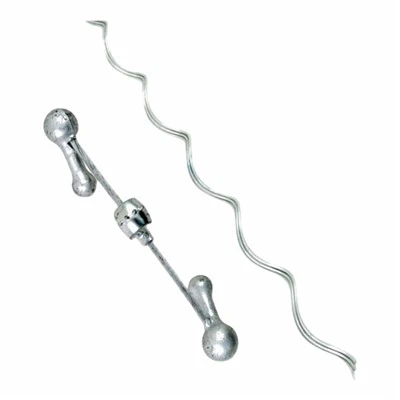
If you’re in the market for link fittings, I’m here to help. As a supplier, I’ve got a wide range of link fittings to choose from, and I can provide you with all the information you need to make the right decision. Whether you’re a DIYer or a professional installer, I can offer advice on which fittings are best for your application and how to install them correctly.
Power Fittings If you’re interested in purchasing link fittings, or if you have any questions about installation or anything else related to link fittings, don’t hesitate to reach out. I’m always happy to have a chat and help you find the right solutions for your needs.
References
- Manufacturer’s installation guides for link fittings.
- Industry standards and best practices for link fitting installation.
- Personal experience and knowledge as a link fittings supplier.
Hebei Tongchuang Power Fittings Co., Ltd.
With abundant experience, we are one of the most professional link fittings manufacturers and suppliers in China. Please feel free to buy advanced link fittings for sale here from our factory. Good service and quality products are available.
Address: Houxiaohan Industrial Zone, Xingbieying Town, Hejian City, Hebei Province, P.R. China
E-mail: tongchuangepf@gmail.com
WebSite: https://www.tongchuangpower.com/
