Hey there, it’s Jake from the wood chipper and pellet mill spare parts team – you know, the guys who’ve got your back when your chipper knives wear out or your pellet mill dies mid-shift. I’ve been in this game for like 8 years now, and I can’t tell you how many times I’ve heard customers say, “My parts broke way sooner than they should’ve!” 9 times out of 10, it’s not that the parts are garbage – it’s just bad maintenance. You’d be shocked how a few tiny, weekly (or even daily) checks can save you thousands in replacements and downtime, which is basically gold when you’re running a grind or pellet production schedule. Wood Chipper and Pellet Mill Spare Part
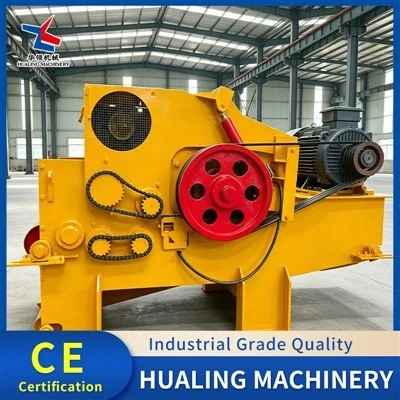
I’m gonna break this down into two parts, because chipper parts and pellet mill parts are like apples and oranges – they do totally different jobs, so you can’t use the same care for both. Let’s start with wood chipper spare parts, since that’s usually the first piece of the puzzle for most folks who make their own feed or biomass pellets.
First off, the big ticket chipper part: the chipper knives. These things are the workhorses, right? But if you treat ’em wrong, they’ll dull or chip in no time. I see so many guys wait until their wood is coming out like splinters instead of uniform chips (which is what your pellet mill needs, by the way) to check the knives. Bad move. Here’s what I actually tell my regular clients: after every 8 hours of use, do a quick visual check. Look for nicks, bends, or that dull fuzzy edge. If you see a tiny nick, don’t wait – address it now. Because that little nick will turn into a big chip in like an hour, and then you’re either driving around looking for a welder or ordering a whole new knife way sooner than you should.
When you do sharpen or replace chipper knives, don’t skip the balance check. I’ve seen a knife that was slightly unbalanced make the whole chipper shake so bad it cracked the housing. Use a simple static balance tester – you can grab one for like $20 at a hardware store, no fancy stuff needed. Also, when re-installing, torque the bolts to the manufacturer’s spec, not just “tight enough with a wrench.” I see guys use a cheater bar every time, and that leads to loose bolts that wear down the knife’s mounting holes. Pro tip: add a little anti-seize compound to the bolt threads when you put ’em back. That’ll make removing them next time a breeze, so you don’t end up cussing at a rusted bolt at 6 a.m. on a Monday.
Next on the chipper list: the wear plates and hammers. Wait, some chippers have hammers if they’re a hammer mill chipper, right? Yeah, so wear plates – those are the metal plates that line the chipper chamber, so the chips don’t beat up the actual casing. Check those every 10 hours. If you see more than 1/4 inch of wear on any spot, flip it if it’s reversible, or replace it. I once had a customer who ignored his wear plates for 3 months, and he ended up having to replace the whole chipper chamber – that cost him $5k, vs. $200 for a set of wear plates. Not a good trade.
And don’t forget the chipper’s feed rollers! Those rubber (or sometimes steel) rollers pull the wood into the chipper, right? If they’re caked with sap, mud, or tiny wood chips, they’ll slip, which makes you have to push the wood harder, and that wears out the knives faster. Wipe ’em down with a wire brush after every shift, and if the rubber is cracking, replace it. Steel rollers? Check for rust every week, and hit ’em with a wire brush and a coat of light oil if you see any. Rust will make the feed slip too, same as crud.
Now let’s switch over to pellet mill spare parts, because this is where so many pellet producers mess up – they either maintain their chipper but skip the mill, or think the mill just needs oil and nothing else. Pellet mills have a few key parts: the die, the rollers, the scraper, and the bearings. Let’s start with the die, ‘cause that’s the most expensive part – a good die can run you $800 to $1,500, so you wanna make that thing last.
First rule for pellet mill dies: don’t run the mill with too much moisture in your feed. I’ve seen guys test moisture with their hands, which is super hit or miss. Use a cheap moisture meter – aim for 12-15% for most pellets, depending on what you’re making. Too much moisture, and the feed gets sticky, clogs the die holes, and you end up with a die full of gunk that’s impossible to clean. Too little moisture, and you get friction heat that wears the die way faster, and you’ll end up with crumbly pellets.
And when cleaning the die, don’t use a wire brush or a metal scraper – that’ll scratch the inside of the holes, which makes the pellets come out uneven and wears the die quicker. Use a plastic scraper or a soft brass brush. Also, after every run, do a “die purge” – run a bag of dry sawdust or a little of your next batch through the mill, and then stop, pull the die, and wipe it down with a light oil (like mineral oil) to keep it from rusting. I have a customer who uses canola oil, which works too, just don’t use something that’ll go rancid if the mill sits for a few days.
Next, the rollers. Those little round things that press the feed into the die holes. Check the gap between the rollers and the die every time you change the die (or every 50 hours, whichever comes first). If the gap is too big, the feed doesn’t get pressed hard enough, so you get bad pellets, and the rollers wear faster ‘cause they’re slipping against the die. Adjust the gap according to your mill’s manual, but general rule is 0.1 to 0.3 mm. Also, keep the rollers clean – if caked feed builds up on them, they’ll wobble, which wears the die unevenly. Wipe ’em down when you clean the die, and if the roller surface gets scored or pitted, replace ’em. Don’t try to grind out pits – that’ll make the gap uneven and wreck the die.
The bearings on the pellet mill – oh man, this is where so many people mess up maintenance. Over-lubricate is just as bad as under-lubricate. I see guys pump grease into the bearings until it oozes out the seals, and that packs the bearing full, causes excess heat, and wears the bearings out in months. Follow the manufacturer’s schedule – usually every 20-50 hours, depending on your mill. Use the right grease too, not just whatever’s in the garage. Most pellet mills use a high-temperature lithium complex grease, something like NLGI #2. And if your mill is in a dusty or dirty area (which most are), add extra grease every 10 hours to keep dust out of the seals. But don’t overdo it. Also, check the bearing temperature every shift – if it’s hotter than 170°F (you can touch it for a second, if you have to yank it away fast, that’s too hot), turn the mill off and check it. No sense letting a $300 bearing turn into a $1,500 mill breakdown.
Wait, there’s a few universal maintenance tips that work for both chipper and pellet mill parts, right? Let’s get those out of the way. First, keep a maintenance log. I know, it sounds like a chore, but write down when you check parts, when you lubricate, when you sharpen or replace something. That way you’ll spot patterns – like “my chipper knives wear out every 40 hours, which is a little faster than normal, so maybe I’m feeding too thick wood.” Or “my pellet die only lasts 200 hours, so maybe my moisture is off.” It’s way easier to fix issues when you can look back and see what’s changed, vs. trying to remember random stuff from 2 weeks ago.
Second, store your parts properly. If you have a spare chipper knife or a new pellet die, don’t just toss it in the corner of the shop where it’s exposed to rain or dust. Wrap it in a plastic bag, add a little light oil to the surface to prevent rust, and store it in a dry, cool place. I once had a customer order a new pellet die from me, leave it in the back of his truck for 2 weeks, and when he pulled it out, it had a big rust spot that made it unusable. He had to pay for a rush replacement, which cost him extra. Don’t do that.
Third, pay attention to how you operate the machine. I get it, you’re in a hurry to get a big order out, but running a chipper too fast with too big of wood pieces will wreck your knives fast. Same with a pellet mill – feeding too much at once will clog the die and wear the rollers out. Slow and steady wins the race here. And when you’re feeding wood into the chipper, remove any nails, rocks, or metal debris first. That’s a huge one – a rock hitting a chipper knife is like hitting it with a hammer, that’ll chip or break a knife in one second. I’ve seen guys run over a nail, and it bounced into the chipper housing, cracking it so bad they had to replace the whole housing. That’s totally preventable with a quick metal detector or just picking through your wood before you feed it in.
Wait, let’s add a specific example that I’ve seen a hundred times, ‘cause it drives this home. Last year, I had two customers place orders for the same size chipper knives. One guy ordered a set every 6 months, the other ordered a set every 2 months. When I asked, the guy who ordered every 2 months said he ran his chipper 8 hours a day, didn’t check knives unless pellets were coming out bad, and never balanced them when he sharpened. The other guy checked knives every shift, balanced them, removed metal from wood, and sharpened them before they got dull. Turns out the second guy was getting 1,200 hours out of his knives, vs. 160 for the first. That’s the difference between $100 every 2 months and $100 every 6 months – that’s $1,800 a year in savings, just from basic maintenance.
Another thing: when you do replace parts, don’t skimp on quality. I know, some guys see a cheap spare part and jump on it, but 9 times out of 10, that cheap knife or die is made with soft metal that wears out way faster. As a spare parts supplier, I test every part we sell to make sure it meets orifies the original manufacturer’s specs. I’ve had customers come to me after buying cheap knives from a big box store, and those knives dulled in 10 hours, vs. our knives that last 200. So even if you’re doing maintenance, using cheap parts will undo all your hard work.
Wait, what about less common parts? Like the screens in the chipper, or the scraper blades in the pellet mill? Those are small, but they matter. Chipper screens – if they have holes worn out bigger than they should, your chips are too big, which messes up your pellet mill’s output. Check them every 20 hours, replace if they’re bent or have big holes. Pellet mill scrapers – those little blades that wipe excess feed off the die, right? If they’re worn down, feed builds up on the die, which clogs it fast. Replace them every 50 hours, it’s a $20 part that saves you $1,000 in die replacements.
Let me wrap this up so it’s not a huge wall of text. The key takeaway here is: maintenance is way cheaper than replacement, and it keeps your machines running so you don’t miss orders. It’s not rocket science – it’s daily checks, a little lubricating, removing debris, storing parts right, and using quality parts when you do need replacements.
If you’re someone who’s struggling with parts wearing out too fast, or you’re not sure what parts you need, or you just wanna get on a schedule that works for your operation, hit me up. We can talk through exactly what your machine needs, set up a maintenance plan, and make sure you’ve got the right spare parts on hand before something breaks. No pressure, just trying to help you keep your grind going strong.
Wood Shredder References:
- Wood Processing Equipment Maintenance Guide, National Wood Pellet Association, 2022
- Industrial Pellet Mill Spare Parts Best Practices, Spare Parts Industry Association, 2023
- Chipper Component Lifecycle and Care, Forest Machinery Association, 2021
Shandong Hualing Machine Manufacturing Co., Ltd.
As one of the most professional wood chipper and pellet mill spare part manufacturers and suppliers in China, we also support customized service with low price. Please rest assured to buy discount wood chipper and pellet mill spare part in stock here from our factory. If you have any enquiry about quotation, please feel free to email us.
Address: Industrial Park, Dagong Village, Changshan Town, Zouping City, Shandong Province
E-mail: hualing@sdhualing.com
WebSite: https://www.hualingmachine.com/
