Hey there! If you’re reading this, odds are you’re in the market for an air compressor and, let’s be real, air quality is probably one of those make-or-break details no one talks about until it’s too late. I’m gonna cut to the chase—since I work with oil-free screw compressors every single day as a supplier, I’ve seen way too many folks sleep on how different compressor types mess with the air they put out. Let’s break this down like we’re grabbing coffee, no stuffy jargon here. Oil-Free Screw Compressor
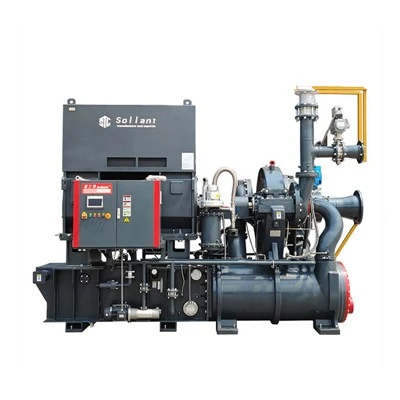
First, let’s get one thing straight: air from a compressor isn’t just “air.” It’s compressed, sure, but it can carry all kinds of unwanted junk that messes up projects, equipment, or even products. Think about it—if you’re using compressed air to spray paint a custom car, you don’t want oil droplets messing up the finish. If you’re running pneumatic tools in a factory, contaminated air can make parts wear out way faster. If you’re in food and beverage or pharmaceuticals? Even a tiny bit of oil can shut your whole line down for an inspection. That’s the part most people skip when they’re just looking at “how much CFM” a compressor has.
Let’s start with the big three compressor types everyone debates: oil-free screw, oil-injected screw, and reciprocating (piston) compressors. I see these three all day, every day, so I know their quirks inside out.
First up, oil-injected screw compressors. This is the most common type you’ll see on job sites or in small factories. They work by screwing two rotors together, and they spray a bunch of oil right into the compression chamber to lubricate the rotors, cool things down, and seal gaps. Sounds smart, right? Here’s the catch: that oil doesn’t magically stay inside. No matter how good the filters are, some oil vapor and tiny oil droplets slip through and end up in the compressed air line. Even with a great after-filter, you’re looking at maybe 1 to 3 milligrams of oil per cubic meter of air (mg/m³)—which is enough to ruin a paint job, gum up pneumatic tools, or get you a warning if you’re in a regulated industry. Some cheap oil-injected compressors don’t even have good filters, so that number can be way higher. I’ve had a customer last year who tried to save $2k on an oil-injected unit, and their first batch of custom metal parts came back with oily smudges because the filter couldn’t keep up. He switched to our oil-free unit within a week.
Next, reciprocating piston compressors. These are the old workhorses—you’ve probably seen them in garages, with that big tank and a loud piston going up and down. How do they handle oil? Well, same issue as screw compressors, basically. Most use crankcase oil to lubricate the piston, and that oil can get past the piston rings and mix with the compressed air. Plus, piston compressors don’t compress air as evenly as screws, so they might spit out more moisture too. Quality here varies a ton—cheap, single-stage piston compressors can have oil content of 5 to 10 mg/m³, and even the top-tier industrial ones still can’t get below like 0.5 mg/m³ without a ton of extra parts. They’re loud, they’re bulky, and for any application that needs really clean air? They’re just not reliable. I had another customer who ran a small auto body shop—they had two piston compressors, and they kept having to respray cars because of oil in the paint. Ditched both for oil-free screws, and that respray rate dropped to almost zero.
Now, oil-free screw compressors—what’s the difference here? The name gives it away, but let’s get into the science without boring you. Instead of spraying oil into the compression chamber, these use tight, precision-machined rotors that don’t need oil to lubricate. The only oil around is in the motor or the gearbox, which is completely separate from the air compression path. That means zero oil can get into the compressed air—seriously, we’re talking 0.001 mg/m³ or less. That’s not a guess, that’s third-party test data we get on every unit we sell. But wait, oil-free doesn’t mean zero maintenance—you still have to filter out moisture and any tiny dust particles that get in from the air intake, right? Because even the cleanest outdoor air has some particulates. But that’s way simpler than filtering out oil, and it’s easy to check with a simple air quality test kit, which we actually give free to all our first-time buyers.
Wait, but hold on—why would someone not just buy an oil-free screw compressor? They’re usually a bit more expensive upfront, right? I won’t lie about that. A 10 HP oil-free screw might cost 20-30% more than a similar oil-injected screw. But let’s do the math on long-term costs. Let’s say you’re a food processing plant that needs air to package snack bars. If your oil-injected compressor leaks even a little oil into the air, you’re looking at product recalls, FDA fines, maybe even having to throw out thousands of dollars of product. Or if you’re a manufacturer of medical devices—contaminated air could ruin a batch of sterilized parts, which is a way bigger deal than the upfront cost difference. Even for a small business owner, the cost of respraying cars, replacing tools that gummed up with oil, or downtime because of compressor issues adds up way more than the extra you pay for an oil-free unit.
I’ve also seen a lot of people ask: “Do I really need oil-free? Can’t I just add a better filter to my oil-injected compressor?” Let’s be real here—filters are only part of the solution. A 99.9% efficient filter sounds great, but it still leaves behind 0.1 mg/m³ of oil, and over time, those filters get clogged, so efficiency drops. Plus, filters cost money to replace every few months, and if you forget to change one, suddenly your air is contaminated again. I’ve had a customer who did that—swapped his filter on his oil-injected compressor once a year, and for 10 years it worked fine, then he missed a change and ruined a $5k batch of custom electronics. With an oil-free screw, you don’t have to worry about that. The maintenance is just checking intake filters once a quarter, and that’s it—no oil filters to change, no checking oil levels in the compression chamber, none of that hassle.
Wait, let’s talk about another angle: environmental impact. Oil that gets released into the air doesn’t just mess up your project—it’s bad for the planet. Oil vapor and droplets are volatile organic compounds (VOCs) that contribute to air pollution, and if you’re venting compressed air outside (which many facilities do), you’re releasing that oil into the atmosphere. Oil-free compressors eliminate that, so you’re not just cleaning your air, you’re cutting down on harmful emissions. That’s a big plus for businesses that are trying to hit sustainability goals, which a lot of our customers care about now.
But let’s not sugarcoat everything—oil-free screw compressors aren’t perfect. They’re not the best if you need a super portable, tiny compressor for a weekend DIY project. Like, if you’re inflating tires or running a nail gun in your garage once a month, a cheap piston compressor is way more affordable. But if you’re running a business, a factory, a food shop, a medical lab, or anything where consistent, clean air matters? Oil-free is the way to go. I’ve seen so many small businesses grow because they switched to oil-free compressors—no more downtime, no more ruined products, no more complaints from customers.
Let me give you a quick example. A craft brewery in Portland reached out to me last year. They were using an oil-injected compressor to run their bottling line, and they kept getting oil in the beer lines during cleaning. They were losing about 50 barrels of beer a month, which at $300 a barrel is $15k a month—yikes. They switched to a 15 HP oil-free screw from us, and now they haven’t had a single issue in 18 months. They saved enough in beer waste in the first 3 months to cover the entire cost of the compressor. That’s the kind of return on investment no one talks about when you’re just comparing air quality.
Another thing to consider: regulatory stuff. A lot of industries have strict standards now for compressed air quality. The ISO 8573-1 standard, for example, categorizes compressed air into different classes based on oil content, particulates, moisture. If you’re in the food and beverage industry, you probably need Class 2 or better for oil content. Oil-injected compressors usually can only hit Class 3 or lower without extra expensive filtration, and even then it’s iffy. Oil-free screw compressors hit Class 0, which is the highest possible. That means you’re compliant, no fines, no inspections that shut you down. For pharmaceuticals, it’s even stricter—you need Class 1 or better, and oil-free is the only way to get that consistently.
I get it, choosing a compressor is overwhelming. There’s so many numbers, so many brands, so much hype. But at the end of the day, air quality isn’t a “nice to have”—it’s a critical detail that affects your bottom line, your products, and your reputation. If you’re still on the fence about oil-free vs. other types, the easiest way to decide is: what are you using the compressed air for? If it’s DIY, stick with whatever’s cheap. If it’s commercial, industrial, or regulated, oil-free screw is worth every penny.
We’ve helped hundreds of businesses make that switch, and almost all of them tell me the same thing: they wish they’d done it sooner. No more resprays, no more product waste, no more maintenance headaches. If you’re shopping around, don’t just look at CFM or tank size. Ask about air quality. Ask about oil content. And if you’re tired of dealing with oil-related issues from your current compressor, we can help. We work with everyone from small shops to big factories, and we’ll hook you up with a unit that fits your needs, no pressure.
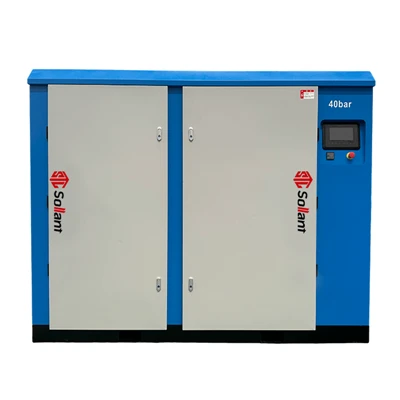
If you want to chat through your specific use case, whether it’s a small project or a full factory upgrade, just reach out. We’re here to answer questions, no sales pitch unless you want one. Don’t let bad air quality mess up what you’re building—let’s get you on the right compressor for the job.
Centrifugal Air Compressor References
- Compressed Air and Gas Institute (CAGI). "Air Quality Standards for Compressors." 2022.
- ISO 8573-1:2010, Compressed Air – Part 1: Contaminants and purity classes. International Organization for Standardization, 2010.
- US Environmental Protection Agency (EPA). "Volatile Organic Compounds from Compressed Air Systems." 2021.
- Industrial Machinery Digest. "Oil-Free vs. Oil-Injected Compressors: Performance and Cost Analysis." 2023.
Shanghai Sollant Energy Saving Technology Co., Ltd.
As one of the most professional oil-free screw compressor manufacturers and suppliers in China, we’re featured by quality products and good service. Please rest assured to buy bulk durable oil-free screw compressor from our factory. Welcome to view our website for more information.
Address: No.215, Songri Center, Beihongqiao, Jiading District, Shanghai, China.
E-mail: info3@sollant.com
WebSite: https://www.sollant-gas.com/
