Liquid-filled capsules, also known as softgels, are a popular dosage form in the pharmaceutical, nutraceutical, and cosmetic industries. As a leading supplier of liquid-filled capsules, I have witnessed firsthand the versatility and effectiveness of this dosage form. In this blog post, I will explore what liquid-filled capsules are, their advantages, the manufacturing process, and considerations for choosing a liquid-filled capsule supplier. Liquid-Filled Capsules
What are Liquid-Filled Capsules?
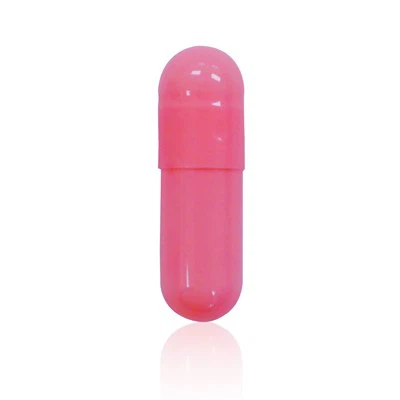
Liquid-filled capsules are a type of oral dosage form that consists of a soft, elastic shell filled with a liquid formulation. The shell is typically made of gelatin, hypromellose (HPMC), or other polymers, while the liquid filling can contain a variety of active ingredients, such as drugs, vitamins, minerals, herbal extracts, or cosmetic ingredients.
The liquid filling can be in the form of a solution, suspension, emulsion, or oil. Solutions are homogeneous mixtures of one or more solutes dissolved in a solvent, while suspensions are heterogeneous mixtures of solid particles dispersed in a liquid. Emulsions are mixtures of two immiscible liquids, such as oil and water, stabilized by an emulsifying agent. Oils are liquid fats or lipids that can be used as carriers for active ingredients.
Advantages of Liquid-Filled Capsules
Liquid-filled capsules offer several advantages over other dosage forms, such as tablets, hard capsules, and syrups. Here are some of the key benefits:
- Enhanced bioavailability: Liquid-filled capsules can improve the bioavailability of poorly soluble drugs and nutrients by increasing their solubility and dissolution rate. The liquid filling can also protect the active ingredients from degradation in the gastrointestinal tract, allowing them to be absorbed more efficiently.
- Accurate dosing: Liquid-filled capsules can provide accurate dosing of active ingredients, as the liquid filling can be precisely measured and dispensed. This is particularly important for drugs and nutrients that require a specific dosage for optimal efficacy.
- Improved stability: Liquid-filled capsules can protect the active ingredients from oxidation, moisture, and light, which can degrade their potency and effectiveness. The soft shell can also provide a barrier against external factors, such as air and humidity, helping to maintain the stability of the formulation.
- Easy to swallow: Liquid-filled capsules are generally easier to swallow than tablets and hard capsules, especially for people who have difficulty swallowing solid dosage forms. The soft shell can also be flavored to improve the taste and palatability of the formulation.
- Versatile formulation: Liquid-filled capsules can be formulated to contain a wide range of active ingredients, including drugs, vitamins, minerals, herbal extracts, and cosmetic ingredients. The liquid filling can also be customized to meet the specific needs of the product, such as the type of solvent, the concentration of the active ingredient, and the presence of other excipients.
Manufacturing Process of Liquid-Filled Capsules
The manufacturing process of liquid-filled capsules involves several steps, including formulation development, shell preparation, filling, sealing, and finishing. Here is a brief overview of each step:
- Formulation development: The first step in the manufacturing process is to develop the liquid formulation. This involves selecting the appropriate active ingredients, solvents, and excipients, and optimizing the formulation to ensure its stability, solubility, and bioavailability. The formulation may also need to be tested for quality and safety before it can be used in the production of liquid-filled capsules.
- Shell preparation: The next step is to prepare the shell material. The shell is typically made of gelatin, HPMC, or other polymers, which are dissolved in water and heated to form a viscous solution. The solution is then cooled and formed into sheets or ribbons, which are cut into the appropriate size and shape for the capsules.
- Filling: Once the shell material is prepared, the liquid formulation is filled into the capsules. This is typically done using a filling machine, which dispenses the liquid into the capsules through a nozzle or syringe. The filling process must be carefully controlled to ensure that the capsules are filled with the correct amount of liquid and that there are no air bubbles or other defects in the capsules.
- Sealing: After the capsules are filled, they are sealed to prevent the liquid from leaking out. This is typically done using a sealing machine, which applies heat and pressure to the capsules to melt the shell material and seal the edges of the capsules. The sealing process must be carefully controlled to ensure that the capsules are sealed properly and that there are no leaks or other defects in the capsules.
- Finishing: The final step in the manufacturing process is to finish the capsules. This involves washing the capsules to remove any excess liquid or shell material, drying the capsules to remove any moisture, and inspecting the capsules for quality and safety. The capsules may also be coated with a protective layer to improve their appearance and stability.
Considerations for Choosing a Liquid-Filled Capsule Supplier

When choosing a liquid-filled capsule supplier, there are several factors to consider, including the supplier’s experience, expertise, quality control, and manufacturing capabilities. Here are some of the key considerations:
- Experience and expertise: Look for a supplier with extensive experience and expertise in the manufacturing of liquid-filled capsules. The supplier should have a proven track record of producing high-quality capsules that meet the specific needs of your product.
- Quality control: Ensure that the supplier has a robust quality control system in place to ensure the safety, efficacy, and quality of the capsules. The supplier should follow Good Manufacturing Practices (GMP) and other relevant regulations to ensure that the capsules are produced in a clean, safe, and controlled environment.
- Manufacturing capabilities: Consider the supplier’s manufacturing capabilities, including the capacity, equipment, and technology used in the production of liquid-filled capsules. The supplier should have the ability to produce capsules in large quantities and to meet your specific requirements for size, shape, and filling.
- Customization options: Look for a supplier that offers customization options for the liquid formulation and the capsule shell. The supplier should be able to work with you to develop a formulation that meets the specific needs of your product and to customize the capsule shell to improve the appearance and stability of the capsules.
- Customer service: Choose a supplier that provides excellent customer service and support. The supplier should be responsive to your inquiries and concerns and should be able to provide you with timely updates on the status of your order.
Conclusion
HPMC Capsules Liquid-filled capsules are a versatile and effective dosage form that offers several advantages over other dosage forms. As a leading supplier of liquid-filled capsules, I am committed to providing high-quality capsules that meet the specific needs of my customers. If you are interested in learning more about liquid-filled capsules or if you have any questions or concerns, please do not hesitate to contact me. I would be happy to discuss your requirements and to provide you with a quote for your project.
References
- Allen, L. V., Jr., & Popovich, N. G. (2013). Pharmaceutical dosage forms and drug delivery systems (9th ed.). Lippincott Williams & Wilkins.
- Bauer, K., & Frömming, K. H. (2006). Pharmaceutical technology: Fundamentals and applications (2nd ed.). CRC Press.
- European Pharmacopoeia (2020). European Pharmacopoeia 10.0. Council of Europe.
- United States Pharmacopeia (2020). United States Pharmacopeia 43 – National Formulary 38. United States Pharmacopeial Convention.
Hubei Kornnac Pharmaceutical Co., Ltd.
Hubei Kornnac Pharmaceutical Co., Ltd. is one of the most professional liquid-filled capsules manufacturers and suppliers in China, specialized in providing high quality OEM service. Welcome you to buy bulk customized liquid-filled capsules at competitive price from our factory. Also, samples are available.
Address: No.439 Hebei Avenue, Chibi, Hubei Province, 437300, China.
E-mail: service@kornnaccaps.com
WebSite: https://www.kornnaccaps.com/
