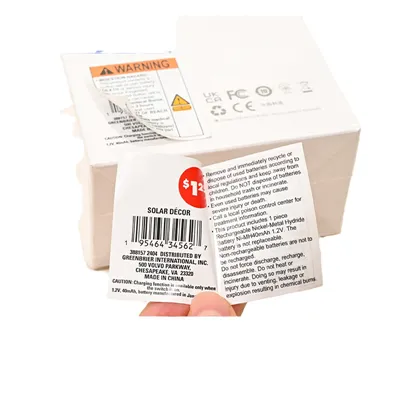
As a supplier of multi – layer labels, ensuring the adhesion of these labels is of utmost importance. Multi – layer labels are widely used in various industries, from consumer goods to industrial products, and their adhesion directly affects the overall quality and functionality of the product. In this blog, I will share some key strategies and factors that we, as a multi – layer label supplier, consider to ensure excellent adhesion. Multi-layer Labels
Understanding the Substrate
The first step in ensuring label adhesion is to understand the substrate to which the label will be applied. Different substrates have different surface properties, such as smoothness, porosity, and chemical composition. For example, labels applied to glass or metal surfaces require a different adhesive formulation compared to those applied to paper or plastic substrates.
- Smooth Surfaces: Smooth surfaces like glass and metal offer a clean and even base for label application. However, they can also be slippery, which may affect adhesion. For these surfaces, we often recommend using high – tack adhesives. These adhesives have a strong initial grip and can form a tight bond with the smooth surface. For instance, acrylic – based adhesives are commonly used on glass and metal substrates due to their excellent adhesion properties and resistance to environmental factors.
- Porous Surfaces: Porous substrates such as paper and cardboard absorb moisture and can have uneven surfaces. To ensure adhesion on these surfaces, we use adhesives that can penetrate the pores and form a mechanical bond. Rubber – based adhesives are a good choice for porous substrates as they can flow into the pores and create a strong hold. Additionally, pre – treating the substrate with a primer can improve the adhesion by sealing the pores and providing a more uniform surface for the label.
- Plastic Surfaces: Plastic substrates come in a variety of types, each with its own surface characteristics. Some plastics, like polyethylene and polypropylene, have low surface energy, which makes it difficult for adhesives to bond. To overcome this, we can use surface treatment methods such as corona treatment or flame treatment. These treatments increase the surface energy of the plastic, allowing the adhesive to wet and bond more effectively. After treatment, we select adhesives that are specifically formulated for plastic substrates, such as silicone – based adhesives for certain flexible plastics.
Adhesive Selection
The choice of adhesive is crucial for ensuring the adhesion of multi – layer labels. There are several types of adhesives available, each with its own advantages and disadvantages.
- Pressure – Sensitive Adhesives (PSAs): PSAs are the most commonly used adhesives for multi – layer labels. They are easy to apply and can bond to a wide range of substrates with just the application of pressure. PSAs come in different formulations, including acrylic, rubber, and silicone. Acrylic PSAs offer good adhesion, weather resistance, and clarity, making them suitable for outdoor applications and labels that require a high – quality appearance. Rubber PSAs, on the other hand, have a strong initial tack and are more flexible, which is beneficial for labels applied to irregular surfaces. Silicone PSAs are known for their high – temperature resistance and release properties, making them ideal for applications where the label needs to be removed and reapplied.
- Hot – Melt Adhesives: Hot – melt adhesives are solid at room temperature and are melted before application. They have a fast setting time and can provide a strong bond. Hot – melt adhesives are often used in high – speed labeling applications, such as in the food and beverage industry. However, they may be less suitable for applications where the label needs to be removed or repositioned, as they form a permanent bond once cooled.
- Solvent – Based Adhesives: Solvent – based adhesives are dissolved in a solvent and applied to the label. As the solvent evaporates, the adhesive forms a bond with the substrate. These adhesives offer excellent adhesion and can be used on a variety of substrates. However, they have environmental and health concerns due to the use of solvents, and their application requires proper ventilation and safety measures.
Label Design and Construction
The design and construction of multi – layer labels also play a significant role in ensuring adhesion.
- Layer Thickness: The thickness of each layer in a multi – layer label can affect adhesion. If the layers are too thick, they may not conform well to the substrate, leading to poor adhesion. On the other hand, if the layers are too thin, they may not provide enough strength and durability. We carefully select the thickness of each layer based on the application requirements and the properties of the substrate.
- Label Shape and Size: The shape and size of the label can impact adhesion. Labels with sharp corners or irregular shapes may be more prone to lifting at the edges. We design labels with smooth curves and rounded corners to minimize the risk of edge lifting. Additionally, larger labels may require more adhesive to ensure proper adhesion, especially on curved or uneven surfaces.
- Release Liner: The release liner is an important component of multi – layer labels. It protects the adhesive during storage and handling and is removed before label application. A high – quality release liner should have a consistent release force and be free of defects. We use release liners that are specifically designed for our adhesive formulations to ensure easy removal and proper adhesion of the label.
Application Process
The application process is the final step in ensuring label adhesion. Proper application techniques can make a significant difference in the performance of the label.
- Surface Preparation: Before applying the label, the substrate surface should be clean and dry. Any dirt, dust, oil, or moisture on the surface can interfere with the adhesion of the label. We recommend using a suitable cleaning agent to remove contaminants from the substrate surface. For example, isopropyl alcohol can be used to clean glass and plastic surfaces.
- Label Application Pressure: Applying the label with the right amount of pressure is essential for ensuring adhesion. Insufficient pressure may result in air bubbles or poor contact between the label and the substrate, while excessive pressure may cause the label to wrinkle or damage. We use labeling equipment that can apply a consistent and appropriate amount of pressure during the labeling process.
- Temperature and Humidity: The temperature and humidity during the application process can also affect label adhesion. High temperatures can cause the adhesive to soften and lose its tack, while low temperatures can make the adhesive more brittle. We recommend applying labels within a specific temperature and humidity range to ensure optimal adhesion. For most adhesives, a temperature range of 20 – 25°C and a relative humidity of 40 – 60% are ideal.
Quality Control
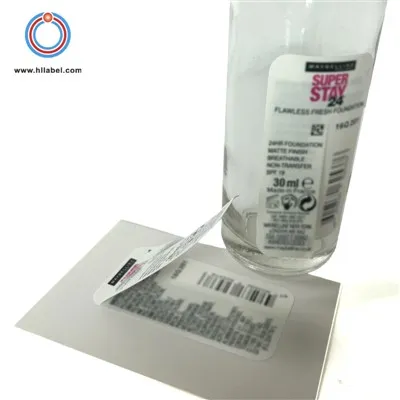
To ensure the adhesion of multi – layer labels, we implement a comprehensive quality control system.
- Adhesive Testing: We conduct regular adhesive testing to ensure that the adhesive meets the required specifications. This includes testing the adhesion strength, tack, and peel resistance of the adhesive on different substrates. We use standardized testing methods, such as the ASTM D3330 test for peel adhesion, to ensure accurate and consistent results.
- Label Inspection: Before shipping the labels to our customers, we inspect each label for defects, such as bubbles, wrinkles, or improper adhesion. We use visual inspection techniques and automated inspection equipment to detect any issues and ensure that only high – quality labels are delivered.
- Customer Feedback: We value our customers’ feedback and use it to improve our products and processes. If a customer reports an adhesion problem, we work closely with them to identify the root cause and develop a solution. This may involve adjusting the adhesive formulation, changing the label design, or improving the application process.
Foldable Label In conclusion, ensuring the adhesion of multi – layer labels requires a comprehensive approach that takes into account the substrate, adhesive selection, label design, application process, and quality control. As a multi – layer label supplier, we are committed to providing our customers with high – quality labels that have excellent adhesion. If you are in need of multi – layer labels for your products, we would be more than happy to discuss your requirements and provide you with a customized solution. Contact us to start a procurement discussion and let us help you find the perfect multi – layer labels for your needs.
References
- ASTM International. (2021). Standard Test Method for Peel Adhesion of Pressure – Sensitive Tape. ASTM D3330.
- Pocius, A. V. (2002). Adhesion and Adhesives Technology: An Introduction. Hanser Gardner Publications.
- Wypych, G. (2017). Handbook of Adhesives and Sealants. ChemTec Publishing.
Huizhou Huilong Printing Company Limited
As one of the most professional multi-layer labels manufacturers in China, we have world-leading production equipment and strong manufacturing capabilities. Please feel free to buy bulk multi-layer labels in stock here from our factory. Also, pricelist is available.
Address: Xin’er Group, Xiamazhuang, Huicheng District, Huizhou City, Guangdong Province
E-mail: huilong278@163.com
WebSite: https://www.huilonglable.com/
