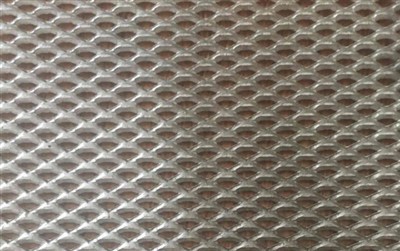
Perforated metal is a versatile material that has found its way into numerous applications, from interior design elements to industrial machinery components. As a perforated metal supplier, I often receive inquiries about whether this material can be effectively used outdoors. In this blog post, I’ll explore the viability of using perforated metal in outdoor settings, discussing its advantages, potential challenges, and best practices for ensuring long – term performance. Perforated Metal
Advantages of Using Perforated Metal Outdoors
1. Durability
One of the primary reasons perforated metal is suitable for outdoor use is its inherent durability. Perforated metal can be made from a variety of materials, including stainless steel, aluminum, and carbon steel. Stainless steel, for instance, is highly resistant to corrosion, making it an excellent choice for outdoor applications where exposure to moisture, salt, and other environmental elements is a concern. Aluminum, on the other hand, is lightweight yet strong, and it forms a natural oxide layer that protects it from rust and corrosion. Carbon steel can also be used outdoors, especially when it is properly coated or galvanized to enhance its corrosion resistance.
2. Aesthetic Appeal
Perforated metal offers a wide range of aesthetic possibilities for outdoor spaces. The perforation patterns can vary from simple round holes to more complex geometric shapes, allowing for the creation of unique and visually appealing designs. Whether used as a decorative screen for a building facade, a privacy fence, or an artistic installation in a public park, perforated metal can add a modern and sophisticated touch to any outdoor environment.
3. Functionality
In addition to its aesthetic value, perforated metal provides several functional benefits in outdoor applications. It can be used to control light and ventilation, as the perforations allow air and sunlight to pass through while still providing some level of privacy or shade. For example, in a patio or balcony area, a perforated metal screen can be installed to block direct sunlight without completely obstructing the view, creating a more comfortable and enjoyable outdoor living space. Perforated metal can also be used for noise reduction, as the holes in the metal can help to absorb and dissipate sound waves.
4. Safety
Perforated metal can enhance safety in outdoor settings. It can be used as a protective barrier around machinery, equipment, or hazardous areas. The perforations allow for visibility, so operators can monitor the equipment while still being protected from potential hazards. In pedestrian areas, perforated metal grates can be used on walkways or stairs to provide traction and prevent slips and falls, especially in wet or icy conditions.
Potential Challenges of Using Perforated Metal Outdoors
1. Corrosion
While many types of perforated metal are resistant to corrosion, certain environmental conditions can still pose a threat. For example, in coastal areas where the air contains high levels of salt, even stainless steel may be susceptible to corrosion over time. In industrial areas with high levels of pollution or chemical exposure, additional protection may be required to prevent the metal from corroding. Regular maintenance, such as cleaning and applying protective coatings, can help to mitigate the risk of corrosion.
2. Weathering
Extreme weather conditions, such as heavy rain, snow, ice, and strong winds, can take a toll on perforated metal structures. Over time, the repeated expansion and contraction of the metal due to temperature changes can cause stress and potentially lead to cracks or damage. It’s important to ensure that perforated metal installations are properly designed and engineered to withstand the local weather conditions. This may include using appropriate support structures, securing the metal firmly in place, and choosing materials with the right level of flexibility and strength.
3. Maintenance
Outdoor perforated metal installations require regular maintenance to keep them in good condition. This may include cleaning the metal to remove dirt, debris, and pollutants, as well as inspecting the surface for signs of damage or corrosion. Depending on the material and the environment, the metal may need to be repainted or recoated periodically to maintain its appearance and protective properties.
Best Practices for Outdoor Perforated Metal Applications
1. Material Selection
Choosing the right material is crucial for the success of an outdoor perforated metal project. As mentioned earlier, stainless steel, aluminum, and galvanized carbon steel are often good choices due to their corrosion resistance. The specific grade of the material should be selected based on the expected environmental conditions. For example, in a highly corrosive environment, such as a marine or industrial setting, a higher grade of stainless steel or a more protective coating may be required.
2. Design and Installation
Proper design and installation are essential to ensure the durability and functionality of outdoor perforated metal structures. The design should take into account the load – bearing requirements, wind and seismic forces, and the intended use of the structure. The installation should be carried out by experienced professionals who are familiar with working with perforated metal and can ensure that the metal is properly anchored and supported.
3. Coating and Finishing
Applying a protective coating or finish to the perforated metal can significantly enhance its resistance to corrosion and weathering. There are several types of coatings available, including powder coatings, paint, and anti – corrosion treatments. The coating should be selected based on the material, the environment, and the desired appearance. A high – quality coating can provide long – term protection and also improve the aesthetic appeal of the metal.
4. Regular Inspections and Maintenance
Regular inspections of outdoor perforated metal installations are necessary to detect any signs of damage or deterioration early on. This allows for timely repairs and maintenance, which can extend the lifespan of the structure. Maintenance tasks may include cleaning, tightening loose fasteners, and reapplying coatings as needed.
Conclusion

In conclusion, perforated metal can be effectively used outdoors, offering a combination of durability, aesthetic appeal, functionality, and safety. However, it’s important to be aware of the potential challenges, such as corrosion, weathering, and maintenance requirements. By following best practices in material selection, design, installation, coating, and maintenance, it is possible to ensure that outdoor perforated metal structures perform well and look great for many years to come.
Expanded Metal Grating If you’re considering using perforated metal for an outdoor project, I’d be more than happy to discuss your specific needs and provide you with the right solutions. Our company has extensive experience in supplying high – quality perforated metal products for a wide range of applications, and we can offer expert advice on materials, design, and installation. Whether you’re working on a small residential project or a large commercial development, we have the expertise and resources to meet your requirements. Contact us today to start planning your next outdoor perforated metal project.
References
- ASM Handbook Volume 13A: Corrosion: Fundamentals, Testing, and Protection.
- Aluminum Association: Aluminum Design Manual.
- ASTM International Standards for Metal Products.
Anping Yilida Metal Wire Mesh Co., Ltd.
Anping Yilida Metal Wire Mesh Co., Ltd. is one of the most reliable perforated metal manufacturers and suppliers in China, also supports customized service. Please feel free to buy bulk high quality perforated metal made in China here from our factory.
Address: Wire Mesh Development Zone, Anping, Hebei Province, China
E-mail: sales@wiremesh-yg.cn
WebSite: https://www.yilidametal.com/
