In the world of business, ID plates are far more than simple tags or labels. They serve as essential identifiers for products, machinery, and even personnel. As a supplier of ID plates, I’ve witnessed firsthand the diverse range of costs associated with these seemingly humble items. In this blog post, I’ll delve into the various factors that contribute to the cost of an ID plate, providing you with a comprehensive understanding of what goes into pricing these vital components. ID Plates
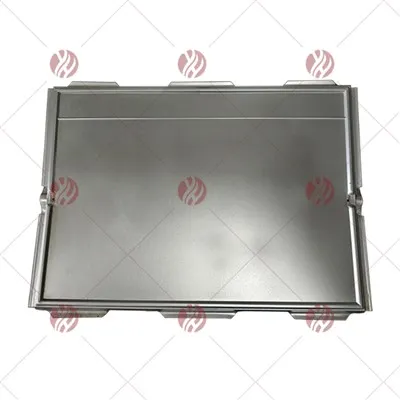
Material Costs
One of the primary factors influencing the cost of an ID plate is the material from which it is made. Different materials offer varying levels of durability, aesthetics, and functionality, and each comes with its own price tag.
Aluminum: Aluminum is a popular choice for ID plates due to its lightweight, corrosion-resistant properties, and relatively low cost. It can be easily fabricated, engraved, or printed on, making it suitable for a wide range of applications. The cost of aluminum ID plates can vary depending on the thickness of the material, with thicker plates generally costing more. Additionally, the finish of the aluminum, such as anodized or painted, can also impact the price.
Stainless Steel: Stainless steel is known for its strength, durability, and resistance to corrosion and high temperatures. It is often used in harsh environments where other materials may not hold up. However, stainless steel ID plates tend to be more expensive than aluminum due to the higher cost of the material and the more complex manufacturing processes involved. The grade of stainless steel used can also affect the price, with higher grades offering better corrosion resistance and other properties.
Brass: Brass is a classic material for ID plates, valued for its aesthetic appeal and durability. It has a warm, golden color that gives a high – end look to the plates. Brass is also relatively easy to machine and engrave, but it is more expensive than aluminum. The cost of brass ID plates can be influenced by factors such as the purity of the brass and the finish applied, such as polishing or patination.
Plastic: Plastic ID plates are a cost – effective option, especially for applications where durability requirements are not as high. They are lightweight, flexible, and can be produced in a variety of colors and shapes. Common types of plastic used for ID plates include polycarbonate, acrylic, and polyester. The cost of plastic ID plates depends on the type of plastic, its thickness, and the manufacturing process, such as injection molding or laser cutting.
Manufacturing Processes
The manufacturing process used to produce an ID plate also plays a significant role in determining its cost.
Engraving: Engraving is a traditional method of adding information to an ID plate. It involves cutting or carving the text or design into the surface of the material. This process can be done manually or using computer – controlled machines. Manual engraving is a labor – intensive process and is generally more expensive, while machine engraving is more efficient and cost – effective for large production runs. The complexity of the engraving, such as the depth of the cut and the intricacy of the design, can also affect the price.
Printing: Printing is another common method for creating ID plates. There are several types of printing techniques available, including screen printing, digital printing, and pad printing. Screen printing is suitable for large quantities and can produce high – quality, durable prints. Digital printing offers more flexibility in terms of design and can be used for small – to medium – sized runs. Pad printing is often used for printing on curved or irregular surfaces. The cost of printing depends on the type of printing method, the number of colors, and the size of the print area.
Etching: Etching involves using chemicals to remove the surface of the material to create the desired design. It is a precise method that can produce detailed and long – lasting ID plates. However, the etching process requires specialized equipment and chemicals, which can increase the cost. The type of material being etched also affects the cost, as some materials may require more complex etching processes.
Quantity and Customization
The quantity of ID plates ordered and the level of customization required are important cost considerations.
Quantity: Generally, the more ID plates you order, the lower the cost per unit. This is because many of the fixed costs associated with the manufacturing process, such as tooling and setup costs, can be spread out over a larger number of units. For small orders, these fixed costs can have a significant impact on the overall cost per plate. Therefore, if you have a large – scale project, ordering in bulk can result in substantial savings.
Customization: Customized ID plates, which are designed to meet specific requirements, usually cost more than standard, off – the – shelf plates. Customization can include unique shapes, sizes, colors, logos, and text. The more complex the customization, the more time and resources are required for design and production. For example, creating a custom – shaped ID plate may require special tooling, and adding a custom logo may involve additional design work and printing processes.
Additional Features
Some ID plates may require additional features that can increase their cost.
Mounting Options: Different mounting options are available for ID plates, such as adhesive backing, screws, or rivets. The choice of mounting option can affect the cost, as some methods may require additional materials or labor. For example, ID plates with a more complex mounting mechanism, such as those designed to be mounted in a specific location on a machine, may be more expensive.
Protective Coatings: To enhance the durability and longevity of ID plates, protective coatings can be applied. These coatings can provide resistance to scratches, chemicals, and UV radiation. The type of coating used and the application process can impact the cost. For example, a high – quality, UV – resistant coating will generally cost more than a basic scratch – resistant coating.
Market Factors
Finally, market factors can also influence the cost of ID plates.
Supply and Demand: The basic economic principle of supply and demand plays a role in pricing. If there is a high demand for a particular type of ID plate and a limited supply, the price is likely to increase. Conversely, if there is an oversupply of a certain material or type of ID plate, the price may decrease.
Competition: The level of competition in the ID plate market can also affect prices. In a highly competitive market, suppliers may offer lower prices to attract customers. However, it’s important to note that the quality of the ID plates can vary among suppliers, so it’s essential to consider both price and quality when making a purchasing decision.
In conclusion, the cost of an ID plate is determined by a complex interplay of factors, including the material, manufacturing process, quantity, customization, additional features, and market conditions. As a supplier of ID plates, I understand the importance of providing high – quality products at competitive prices. We work closely with our customers to understand their specific needs and find the most cost – effective solutions.

If you’re in the market for ID plates, I encourage you to contact us to discuss your requirements. Our team of experts can provide you with detailed quotes and help you choose the right ID plates for your application. Whether you need a small batch of custom – designed plates or a large order of standard plates, we’re here to assist you.
ID Plates References
- "Engineering Materials and Their Applications" – William D. Callister Jr.
- "Manufacturing Engineering and Technology" – Serope Kalpakjian and Steven R. Schmid
Zhenjiang Yuanhai Packaging Co., Ltd.
We’re well-known as one of the leading id plates manufacturers and suppliers in China, featured by quality products and good price. Please rest assured to buy high-grade id plates for sale here from our factory. We also accept customized orders.
Address: No. 9, Danwu Road, Dantu District, Zhenjiang City
E-mail: chin_john@msn.com
WebSite: https://www.yhibc.com/
