A farm is a unique environment filled with various potential hazards, from sharp tools and heavy machinery to unpredictable animals. Having a well – stocked and properly organized first aid kit is crucial for ensuring the safety and well – being of everyone on the farm. As a supplier of First Aid Kits, I’ve had the opportunity to understand the specific needs of farms and how to create an effective first aid solution. In this blog, I’ll share my insights on how to make a first aid kit for a farm. First Aid Kits
Understanding the Farm Environment
Before assembling a first aid kit, it’s essential to understand the common risks and injuries that can occur on a farm. Farms are home to a range of agricultural activities, including operating tractors, handling livestock, using sharp implements, and working with chemicals. These activities pose different types of threats:
- Physical Injuries: Cuts, abrasions, and puncture wounds are common when using tools like axes, shovels, or pruning shears. Falls and sprains can happen while working on ladders, in barns, or on uneven ground. Machinery-related injuries, such as crush injuries or amputation risks from tractors and harvesters, are also serious concerns.
- Animal – related Injuries: Working with livestock can result in bites, kicks, or scratches. Additionally, exposure to animal feces and saliva can lead to zoonotic diseases, which can cause various health problems in humans.
- Chemical Exposure: Farms use pesticides, fertilizers, and other chemicals. Accidental spills or improper handling can lead to chemical burns, inhalation injuries, or skin and eye irritations.
- Heat – related Illnesses: Long hours of outdoor work in hot weather can cause heat exhaustion or heatstroke, especially during peak farming seasons.
Essential Components of a Farm First Aid Kit
Based on the above risks, a farm first aid kit should include the following items:
Wound Care
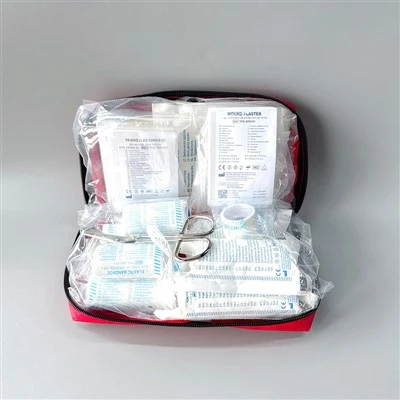
- Adhesive Bandages: A variety of sizes, including small strips for minor cuts and larger ones for bigger wounds. For example, 2 – inch and 3 – inch bandages are useful for covering different areas of the body.
- Gauze Pads and Rolls: These are essential for dressing larger wounds and controlling bleeding. Sterile gauze pads in different sizes (e.g., 4×4 inches and 8×8 inches) and gauze rolls can be used for wrapping injuries.
- Antiseptic Wipes or Solution: To clean wounds and prevent infection. Antiseptic wipes are convenient for quick cleaning, while a solution can be used for more thorough cleansing, especially for larger or deeper wounds.
- Tweezers: For removing splinters, thorns, or other foreign objects from the skin. A fine – tipped, sterilizable tweezer is ideal.
- Scissors: To cut bandages, tape, and gauze. A pair of blunt – tipped scissors is safe to use around wounds.
Burns Treatment
- Burn Gel or Cream: To soothe minor burns and prevent infection. A gel containing aloe vera is a natural and effective option.
- Non – adherent Burn Dressings: These are designed to protect burned skin without sticking to it, reducing pain during dressing changes.
Sprain and Strain Relief
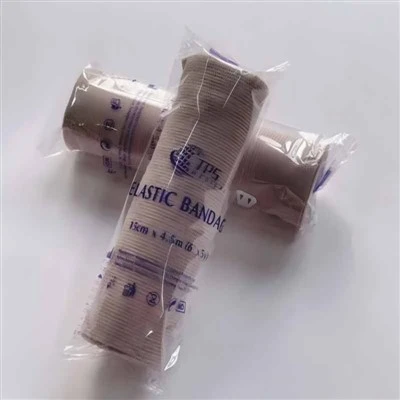
- Elastic Bandages: To provide support and compression for sprains and strains. Different widths of elastic bandages, such as 2 – inch and 3 – inch, can be used for various body parts.
- Ice Packs or Cold Compress: To reduce swelling and pain from injuries. Disposable ice packs are convenient as they can be activated quickly.
Respiratory and Eye Care
- Eye Wash: To flush out chemicals, dust, or foreign objects from the eyes. A sterile eye wash solution in a squeeze bottle is easy to use.
- Respiratory Masks: In case of chemical spills or dust inhalation, masks can protect the respiratory system. N95 masks are suitable for filtering out particles.
Medication
- Pain Relievers: Over – the – counter pain relievers such as ibuprofen or acetaminophen can be used to alleviate pain from injuries.
- Antihistamines: To treat allergic reactions, which can be caused by animal dander, insect bites, or exposure to certain plants.
- Antidiarrheal Medication: Since farm workers may be exposed to bacteria and parasites, having antidiarrheal medicine on hand can be helpful.
Additional Items
- First Aid Manual: A comprehensive guide that provides instructions on how to treat different injuries and emergencies.
- Gloves: Disposable latex or nitrile gloves to protect the caregiver from blood and other bodily fluids, reducing the risk of infection transmission.
- Resuscitation Mask: For performing CPR in case of cardiac arrest. It provides a barrier between the rescuer and the victim.
Organizing the First Aid Kit
Once you’ve gathered all the necessary items, organizing the first aid kit is crucial for quick access during an emergency.
Use Compartments or Dividers
A first aid kit with multiple compartments or dividers can help keep items organized. Group similar items together, such as wound care supplies in one section, medications in another, and respiratory and eye care products in a third.
Label Everything
Label each compartment or item clearly. This makes it easy to find what you need quickly, especially in a high – stress situation. You can use adhesive labels or a label maker for this purpose.
Keep an Inventory
Maintain an inventory list of all the items in the first aid kit. Regularly check the contents and replace any expired or used items. Having a checklist can help ensure that the kit is always fully stocked.
Maintenance and Storage of the First Aid Kit
Proper maintenance and storage of the first aid kit are essential to ensure its effectiveness.
Regular Inspections
Inspect the first aid kit at least once a month. Check the expiration dates of medications, the integrity of bandages and dressings, and the functionality of items like scissors and tweezers. Replace any damaged or expired items immediately.
Temperature and Humidity Control
Store the first aid kit in a cool, dry place. Extreme temperatures and high humidity can damage medications and other supplies. Avoid storing the kit in direct sunlight or near sources of heat.
Accessibility
Make sure the first aid kit is easily accessible. It should be stored in a central location on the farm, such as the main barn or the farmhouse, where it can be reached quickly in case of an emergency.
Customizing the First Aid Kit
Every farm is different, and the specific needs of a first aid kit may vary depending on the size of the farm, the type of activities carried out, and the number of workers.
Consider the Number of Workers
If your farm has a large number of workers, you may need to have multiple first aid kits placed in different locations. This ensures that help is always nearby in case of an emergency.
Type of Farming
For example, if you have a dairy farm, there may be a higher risk of udder – related injuries in cows, and you may need to include supplies for treating minor animal wounds as well. If your farm focuses on horticulture, there may be more risks of exposure to pesticides, so additional items for chemical exposure treatment may be required.
Specialized Training
Consider providing first aid training to your farm workers. This not only enables them to use the first aid kit effectively but also empowers them to handle emergencies in a timely and appropriate manner.
Working with a Reliable Supplier
As a First Aid Kits supplier, I understand the importance of providing high – quality products tailored to the needs of farms. When choosing a supplier, look for the following qualities:
Product Quality
The supplier should offer first aid kits with high – quality, durable items. Medications should be from reputable manufacturers, and all supplies should meet relevant safety and quality standards.
Customization Options
A good supplier should be able to customize first aid kits based on your specific requirements. Whether you need additional items or a different configuration, they should be able to accommodate your requests.
Customer Support
Reliable customer support is essential. The supplier should be able to answer your questions, provide product advice, and assist with any issues regarding the first aid kits.
Cost – effectiveness
While quality is important, cost – effectiveness also matters. Look for a supplier who offers reasonable prices without compromising on the quality of the products.
Cotton and Gauze In conclusion, having a well – made first aid kit for your farm is an investment in the safety and well – being of your workers and yourself. By understanding the farm environment, including essential components, organizing and maintaining the kit properly, and customizing it to your specific needs, you can ensure that you are prepared for any emergency. If you’re interested in learning more about our farm – specific first aid kits or would like to discuss your procurement needs, please feel free to start a conversation with us. We’re here to help you make the right choice for your farm’s safety.
References
- American Red Cross. First Aid Training Manual.
- The Farm Safety Foundation. Guide to Farm Safety and First Aid.
- OSHA (Occupational Safety and Health Administration). Agricultural Safety Standards.
Hangzhou Tuopusi Medical Products Co., Ltd.
As one of the most professional first aid kits manufacturers and suppliers in China, we offer a wide range of products with superior quality. Please feel free to wholesale bulk customized first aid kits at competitive price from our factory. Also, free sample is available.
Address:
E-mail: sales@tpsmedic.com
WebSite: https://www.medressing.com/
