As a supplier of handheld laser cleaning and rust removal machines, I often encounter inquiries about the noise level of these innovative devices. In this blog post, I’ll delve into the technical aspects of the noise generated by handheld laser cleaning machines, compare them with traditional cleaning methods, and explain both the influencing factors and ways to control the noise. Handheld Laser Cleaning And Rust Removal Machine
Understanding the Noise Level of Handheld Laser Cleaning and Rust Removal Machines
The noise level of a handheld laser cleaning and rust removal machine is a crucial consideration for both operators and those working in the surrounding environment. Unlike some traditional rust – removal methods such as sandblasting or using chemical solvents, laser cleaning is generally regarded as a relatively quiet process.
Typically, the noise level of a well – designed handheld laser cleaning machine ranges from 50 to 70 decibels (dB(A)). In comparison, normal conversation usually occurs at around 60 dB(A), while a vacuum cleaner can produce noise levels of about 70 – 80 dB(A). This means that the noise from a handheld laser cleaning machine is often comparable to or even lower than common daily sounds, which makes it more acceptable in various workplaces.
The relatively low noise level is mainly due to the working principle of laser cleaning. These machines use high – energy laser pulses to ablate the rust, contaminants, or coatings on the surface of the workpiece. There is no mechanical impact or high – pressure air flow involved in the core process, which significantly reduces the source of noise generation.
Comparison with Traditional Rust Removal Methods
Traditional rust removal methods are often accompanied by much louder noises. For example, sandblasting is a common technique in industrial rust removal. During sandblasting, a high – pressure stream of abrasive materials is forced against the surface, which creates a very loud, abrasive noise. The noise level of sandblasting equipment can easily exceed 90 dB(A) and may even reach over 100 dB(A) in some cases. Prolonged exposure to such high – intensity noise can cause serious damage to the human ear, including hearing loss and tinnitus.
Another conventional method is mechanical grinding, where a rotating grinding wheel is used to scrape off the rust. This process also produces a high – pitched, continuous noise that can be quite disturbing. The noise level of mechanical grinding equipment can range from 80 to 90 dB(A), depending on the power and size of the grinder.
In contrast, the relatively quiet operation of handheld laser cleaning machines provides a more comfortable and less disruptive working environment. It allows operators to work for longer periods without the need for excessive hearing protection, and it also reduces the impact on those in the vicinity, such as other workers in a shared workspace or nearby residents in an urban setting.
Factors Influencing the Noise Level of Handheld Laser Cleaning Machines
1. Cooling System
One of the main sources of noise in a handheld laser cleaning machine is its cooling system. To maintain the stability and performance of the laser, an efficient cooling system is required to dissipate the heat generated during operation. Cooling systems can be either water – cooled or air – cooled.
Water – cooled systems generally produce relatively low noise because the water circulation process is relatively quiet. However, the water pump used in the system may generate a certain amount of noise, especially if it is an older or lower – quality pump. Air – cooled systems, on the other hand, rely on fans to blow air over the laser components for cooling. These fans can create a significant amount of noise, especially if they are running at high speeds or if the fan blades are not properly balanced.
2. Laser Generator
The laser generator itself can also contribute to the noise level. Higher – power laser generators may produce more noise due to the increased electrical and thermal activity. Additionally, the internal components of the laser generator, such as the capacitors and the laser cavity, may emit a slight humming noise during operation.
3. Workpiece and Surface Conditions
The nature of the workpiece and its surface conditions can also influence the noise level. When the laser interacts with a hard or rough surface, it may produce a slightly different sound compared to a soft or smooth surface. For example, if the surface has a thick layer of rust or a hard – to – remove coating, the laser may need to work harder, which could potentially result in a slightly higher noise level.
Controlling the Noise Level of Handheld Laser Cleaning Machines
1. Selecting Quality Components
When manufacturing handheld laser cleaning machines, using high – quality components is essential for reducing noise. For the cooling system, choosing a well – designed water pump or a balanced fan can significantly lower the noise emissions. Similarly, high – quality laser generators are often engineered to operate more quietly and efficiently.
2. Soundproofing Design
Incorporating soundproofing materials into the machine’s housing can effectively reduce the noise transmitted to the outside. Materials such as acoustic foams or rubber gaskets can be used to absorb and dampen the sound waves. Additionally, designing the machine with a proper enclosure can further isolate the noise sources.
3. Regular Maintenance
Regular maintenance of the handheld laser cleaning machine is crucial for keeping the noise level in check. For the cooling system, cleaning the filters and checking the water or air circulation can prevent the system from overworking and generating excessive noise. For the laser generator, regular inspections and adjustments can ensure its smooth operation and reduce the risk of abnormal noise.
Importance of Low Noise in Different Applications
1. Industrial Manufacturing
In industrial manufacturing settings, where multiple machines are often operating simultaneously, the low noise level of handheld laser cleaning machines can prevent noise pollution and create a more pleasant working environment. This is especially important in factories located in residential areas, where noise regulations are more stringent.
2. Cultural Heritage Preservation
When it comes to cleaning and restoring cultural heritage artifacts, a quiet cleaning process is essential. The use of a handheld laser cleaning machine with a low noise level ensures that the cleaning process does not cause any additional damage to the delicate artifacts and also minimizes the disturbance to museum staff and visitors.
3. On – site Maintenance
For on – site maintenance work, such as in construction sites or power plants, a quiet cleaning tool is highly desirable. Handheld laser cleaning machines can be used to clean rust and contaminants on various equipment without causing excessive noise, which is beneficial for both the operators and the people in the surrounding area.
Conclusion

In conclusion, the noise level of a handheld laser cleaning and rust removal machine is generally in the range of 50 – 70 dB(A), making it a relatively quiet alternative to traditional rust removal methods. The low noise is mainly attributed to its working principle, which avoids mechanical impact and high – pressure air flow. However, factors such as the cooling system, laser generator, and workpiece conditions can influence the noise level. By selecting quality components, incorporating soundproofing design, and performing regular maintenance, the noise level can be effectively controlled.
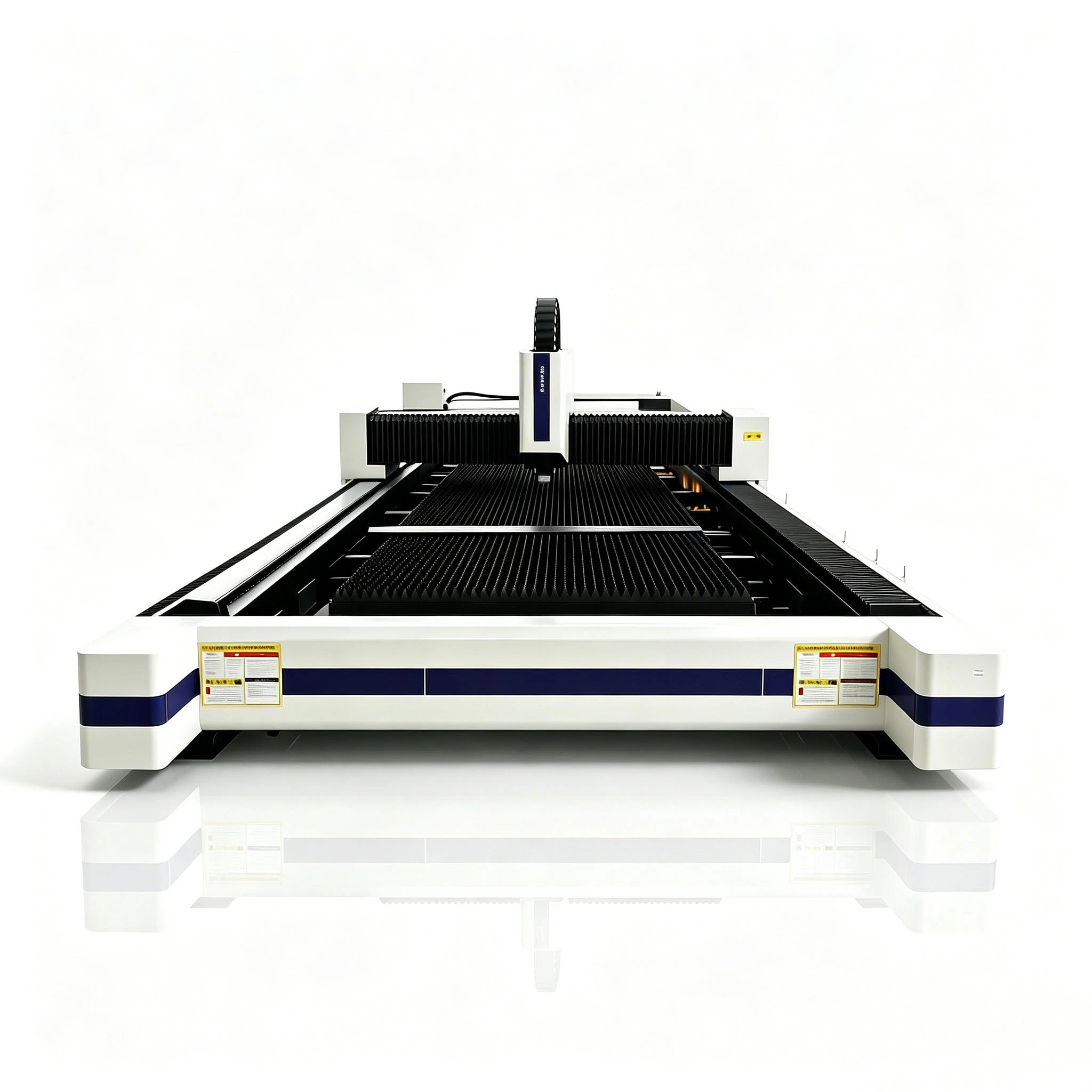
Laser Sheet Cutting Machine The low noise characteristic of handheld laser cleaning machines makes them suitable for a wide range of applications, from industrial manufacturing to cultural heritage preservation. If you are interested in our handheld laser cleaning and rust removal machines and want to learn more about their performance, including the noise level, or are considering purchasing, please feel free to contact us for further discussion and negotiation on procurement.
References
- "Laser Cleaning Technology and Its Applications" – A technical monograph discussing the various aspects of laser cleaning, including noise reduction techniques.
- "Industrial Noise Control Handbook" – A comprehensive guide on noise control in industrial settings, which provides insights relevant to the noise generated by laser cleaning machines.
- Journal articles on the comparison of different rust removal methods in terms of noise pollution and environmental impact.
Hebei Juliang Technology Co., Ltd.
Hebei Juliang Technology Co., Ltd. is one of the most professional handheld laser cleaning and rust removal machine manufacturers and suppliers in China, featured by quality products and good service. Please rest assured to buy CE approved handheld laser cleaning and rust removal machine from our factory. Welcome to contact us for customized service and discount information.
Address: Building 1, Juluang Industrial Park, Gaocheng District, Shijiazhuang City, Hebei Province, China
E-mail: sales@jlwmb.com
WebSite: https://www.julasers.com/
