Can Calcium Magnesium Suspension Fertilizer be used in container gardening?
As a supplier of calcium magnesium suspension fertilizer, I’ve often been asked whether our product is suitable for container gardening. It’s a question that hits close to home, as container gardening has become increasingly popular in recent years, especially in urban areas where space is limited. In this blog post, I’ll delve into the details to help you understand the potential of using calcium magnesium suspension fertilizer in your container garden. Calcium Magnesium Suspension Fertilizer

The Importance of Calcium and Magnesium in Plant Growth
Before we discuss the use of calcium magnesium suspension fertilizer in container gardening, it’s essential to understand the roles of calcium and magnesium in plant growth. Calcium is a crucial element for cell wall structure and stability. It helps in the development of a strong root system, improves fruit quality, and enhances the plant’s resistance to diseases. Magnesium, on the other hand, is a central component of chlorophyll, the pigment responsible for photosynthesis. It is also involved in enzyme activation and the synthesis of proteins and nucleic acids.
In container gardening, plants are confined to a limited volume of soil, which may not always provide an adequate supply of these essential nutrients. Over time, the nutrients in the container soil can become depleted, leading to nutrient deficiencies in the plants. This is where calcium magnesium suspension fertilizer can play a vital role.
Advantages of Using Calcium Magnesium Suspension Fertilizer in Container Gardening
- Balanced Nutrient Supply
Calcium magnesium suspension fertilizer provides a balanced supply of both calcium and magnesium, along with other essential nutrients in some formulations. This balanced nutrition is crucial for the healthy growth of plants in container gardens. Unlike some single – nutrient fertilizers, our suspension fertilizer ensures that the plants receive all the necessary elements in the right proportions, promoting overall plant vigor. - Easy Application
The suspension form of the fertilizer makes it easy to apply in container gardening. It can be easily mixed with water and applied through a watering can or a drip irrigation system. This convenience is especially beneficial for small – scale container gardens, where complex application methods may not be practical. - Improved Nutrient Uptake
The suspension technology allows for better dispersion of nutrients in the soil solution. This means that the calcium and magnesium are more readily available for plant roots to absorb. In container gardening, where the root system is confined, the ability of the plants to efficiently take up nutrients is essential for their survival and growth. - Enhanced Soil Structure
Calcium in the fertilizer can help improve soil structure in containers. It promotes the aggregation of soil particles, which improves soil aeration and water infiltration. This is particularly important in container gardening, as poor soil structure can lead to waterlogging and root rot.
Considerations When Using Calcium Magnesium Suspension Fertilizer in Container Gardening
- Dilution Rate
It’s important to follow the recommended dilution rate when using calcium magnesium suspension fertilizer in container gardens. Over – fertilization can lead to salt buildup in the container soil, which can be harmful to the plants. On the other hand, under – fertilization may not provide the plants with enough nutrients to thrive. - Plant Type
Different plants have different nutrient requirements. Some plants, such as tomatoes and peppers, are heavy feeders and may require more frequent applications of calcium magnesium suspension fertilizer. Others, like succulents, have lower nutrient needs and may need less frequent fertilization. It’s important to research the specific nutrient requirements of the plants in your container garden. - Soil pH
The pH of the container soil can affect the availability of calcium and magnesium to the plants. Calcium and magnesium are more readily available in slightly acidic to neutral soils. If the soil pH is too high or too low, the plants may not be able to absorb these nutrients effectively. You may need to adjust the soil pH using appropriate soil amendments.
Case Studies and Success Stories
I’ve received numerous positive feedback from customers who have used our calcium magnesium suspension fertilizer in their container gardens. For example, a customer in a small urban apartment had a container garden on his balcony. He used our fertilizer to grow a variety of herbs and vegetables. He noticed a significant improvement in the growth and health of his plants. The herbs were more flavorful, and the vegetables had better yields. Another customer, who was growing flowers in containers, reported that the flowers were more vibrant and had longer bloom periods after using our fertilizer.
How to Incorporate Calcium Magnesium Suspension Fertilizer into Your Container Gardening Routine
- Initial Soil Preparation
If you’re starting a new container garden, you can mix a small amount of the calcium magnesium suspension fertilizer into the potting soil before planting. This will provide the plants with an initial supply of nutrients as they establish their root systems. - Regular Fertilization
During the growing season, you can apply the fertilizer at regular intervals. A general rule of thumb is to fertilize once every two to four weeks, depending on the plant type and the specific instructions on the fertilizer label. Make sure to water the containers thoroughly after fertilization to help the nutrients penetrate the soil. - Monitoring and Adjusting
Regularly monitor the health of your plants. Look for signs of nutrient deficiencies, such as yellowing leaves or stunted growth. If you notice any issues, you may need to adjust the frequency or concentration of the fertilizer applications.
Conclusion
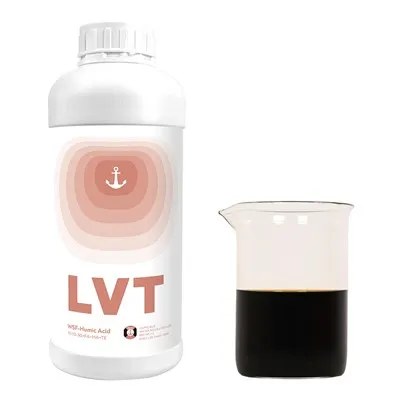
In conclusion, calcium magnesium suspension fertilizer can be an excellent choice for container gardening. It provides a balanced supply of essential nutrients, is easy to apply, and can enhance plant growth and health. However, it’s important to use it correctly, taking into account factors such as dilution rate, plant type, and soil pH.
Humic Acid Fertilizer If you’re interested in learning more about our calcium magnesium suspension fertilizer or are looking to purchase it for your container garden, I encourage you to reach out to us for a detailed discussion. We are committed to providing high – quality fertilizers and excellent customer service. Our team of experts is ready to answer any questions you may have and help you make the best decisions for your gardening needs.
References
- Marschner, P. (1995). Mineral Nutrition of Higher Plants. Academic Press.
- Epstein, E., & Bloom, A. J. (2005). Mineral Nutrition of Plants: Principles and Perspectives. Sinauer Associates.
Weifang Lvweite Bio-Tech Co., Ltd.
With abundant experience, we are one of the leading manufacturers and suppliers of calcium magnesium suspension fertilizer in China. Please rest assured to buy bulk high quality fertilizers made in China here from our factory. If you have any enquiry about cooperation, please feel free to email us.
Address: No. 6 Xinchuan Rd, Xin’an Street, Anqiu City, Shandong, China
E-mail: info@lvtfertilizer.com
WebSite: https://www.lvtfertilizer.com/
