Are 45 Degree Silicone Hoses Resistant to Saltwater? 45 Degree Silicone Hose
As a supplier of 45-degree silicone hoses, I’ve often received inquiries from customers about the hoses’ resistance to saltwater. This question is particularly crucial for industries such as marine, offshore oil and gas, and coastal infrastructure, where exposure to saltwater is a daily reality. In this blog post, I’ll delve into the science behind silicone’s interaction with saltwater, discuss the performance of our 45-degree silicone hoses in saltwater environments, and provide some practical advice on using these hoses in such conditions.
Understanding Silicone and Its Properties
Silicone is a synthetic polymer composed of silicon, oxygen, carbon, and hydrogen. It is known for its excellent thermal stability, chemical resistance, flexibility, and electrical insulation properties. These characteristics make silicone a popular choice for a wide range of applications, from automotive and aerospace to medical and food processing industries.
One of the key factors that contribute to silicone’s resistance to chemicals is its molecular structure. The silicon-oxygen (Si-O) bond in silicone is very strong, with a high bond energy. This strong bond makes it difficult for chemicals, including saltwater, to break down the silicone polymer. Additionally, silicone has a low surface energy, which means that it repels water and other liquids, reducing the likelihood of chemical reactions with the hose material.
Saltwater and Its Effects on Materials
Saltwater is a complex mixture of water and various salts, primarily sodium chloride (NaCl). The presence of salts in water increases its conductivity and corrosiveness, making it a more challenging environment for materials compared to freshwater. When a material is exposed to saltwater, several processes can occur:
- Corrosion: Saltwater can cause corrosion in metals by promoting the formation of an electrochemical cell. The dissolved salts act as electrolytes, facilitating the flow of electrons between different parts of the metal surface. This can lead to the oxidation of the metal, resulting in the formation of rust and the degradation of the material over time.
- Swelling and Degradation: Some polymers can absorb water and swell when exposed to saltwater. This swelling can cause changes in the physical properties of the material, such as a decrease in strength and an increase in flexibility. In extreme cases, the absorption of water can lead to the degradation of the polymer, resulting in cracks, leaks, and failure of the component.
- Biofouling: Saltwater environments are also prone to biofouling, which is the accumulation of microorganisms, algae, barnacles, and other marine organisms on the surface of materials. Biofouling can increase the drag on hoses, reduce their flow capacity, and cause damage to the hose material.
The Resistance of 45 Degree Silicone Hoses to Saltwater
Our 45-degree silicone hoses are designed to withstand the challenges of saltwater environments. Thanks to the inherent properties of silicone, these hoses exhibit excellent resistance to saltwater corrosion, swelling, and biofouling.
- Corrosion Resistance: Silicone is a non-metallic material, which means that it does not corrode in the same way as metals. The strong Si-O bonds in silicone make it resistant to the chemical attack of saltwater, preventing the formation of rust and other corrosion products. As a result, our 45-degree silicone hoses can maintain their structural integrity and performance even when exposed to saltwater for extended periods.
- Swelling Resistance: Silicone has a low water absorption rate, which means that it does not absorb significant amounts of saltwater. This low water absorption property helps to prevent swelling and maintains the dimensional stability of the hose. Our hoses are formulated to have minimal swelling in saltwater, ensuring that they maintain their shape and performance over time.
- Biofouling Resistance: The smooth surface of silicone hoses makes it difficult for marine organisms to attach and grow. Additionally, silicone has some inherent anti-fouling properties, which further reduce the likelihood of biofouling. While some biofouling may still occur over time, it is typically less severe compared to other materials.
Testing and Performance Assurance
To ensure the quality and performance of our 45-degree silicone hoses in saltwater environments, we conduct a series of tests and quality control measures. These include:
- Immersion Testing: We immerse samples of our hoses in saltwater for extended periods to simulate real-world exposure. During the immersion test, we monitor the physical properties of the hoses, such as weight, dimensions, and hardness, to detect any changes that may indicate degradation or swelling.
- Pressure Testing: We subject the hoses to high-pressure conditions to ensure that they can maintain their integrity and performance under stress. This testing helps to identify any weaknesses or defects in the hose structure that could lead to leaks or failures in saltwater applications.
- Flexibility Testing: We evaluate the flexibility of the hoses before and after exposure to saltwater to ensure that they maintain their ability to bend and flex without cracking or breaking. This is particularly important for 45-degree silicone hoses, which need to be able to accommodate changes in direction and movement.
Practical Advice for Using 45 Degree Silicone Hoses in Saltwater Environments
While our 45-degree silicone hoses are designed to be resistant to saltwater, there are some practical steps that can be taken to ensure their optimal performance and longevity in saltwater environments:
- Proper Installation: Ensure that the hoses are installed correctly, following the manufacturer’s guidelines. This includes using the appropriate fittings and clamps to secure the hoses and prevent leaks.
- Regular Inspection: Periodically inspect the hoses for signs of damage, wear, or biofouling. Replace any hoses that show signs of significant degradation or damage to prevent leaks and ensure the safety of the system.
- Cleaning and Maintenance: Clean the hoses regularly to remove any salt deposits, debris, or biofouling. Use a mild detergent and water to clean the hoses, and avoid using abrasive cleaners or solvents that could damage the silicone material.
- Storage: Store the hoses in a cool, dry place away from direct sunlight and heat sources. This helps to prevent the degradation of the silicone material and extends the lifespan of the hoses.
Conclusion
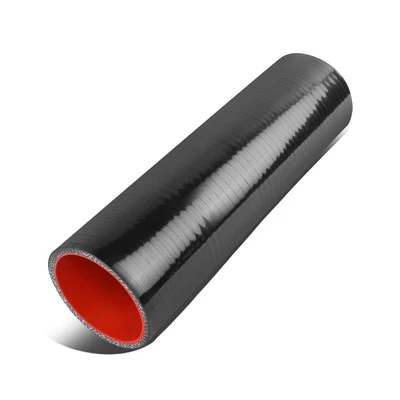
In conclusion, our 45-degree silicone hoses are highly resistant to saltwater, thanks to the inherent properties of silicone. They offer excellent corrosion resistance, swelling resistance, and biofouling resistance, making them a reliable choice for a wide range of saltwater applications. By conducting rigorous testing and quality control measures, we ensure that our hoses meet the highest standards of performance and reliability.
Steel Wire Hydraulic Hose If you are in need of 45-degree silicone hoses for your saltwater applications, I encourage you to contact us to discuss your specific requirements. Our team of experts is dedicated to providing you with the best products and solutions to meet your needs. We look forward to working with you.
References
- "Silicone Elastomers: Chemistry and Technology" by W. Noll
- "Polymer Science and Technology" by David B. Daniel and Christopher J. Wild
- "Marine Corrosion: Causes, Prevention, and Control" by R. Winston Revie
Ningbo Haidu Auto Parts Co., Ltd.
As one of the most professional 45 degree silicone hose manufacturers and suppliers in China, we’re featured by cheap products and good service. Please rest assured to buy durable 45 degree silicone hose at competitive price from our factory. Also, OEM service is available.
Address:
E-mail: Sale6@sterlingautoparts.com
WebSite: https://www.cnsiliconehose.com/
