Hey everyone, it’s Mia here from your go-to resin food charms supplier – and if you’ve ever been stumped about how to keep these tiny, cute little charms looking like they just rolled out of my studio, you’re in the right spot. I get it: resin charms for keychains, phone grips, jewelry, or even custom cup toppers are such fan favorites, but they’re made of that sticky, porous stuff that picks up grime way easier than you’d think. Last week I got three DMs in one day from customers panicking because their new tiny taco charm had coffee smudges, their lemon slice charm had dust bunnies stuck in the resin edges, and their little donut charm looked dull from being carried in a jeans pocket for a week. So let’s cut the confusion, no fancy lab stuff, just practical science-backed tips from someone who makes hundreds of these charms every month. Resin Food Charms

First off, let’s get one thing straight: resin isn’t the same as your plastic water bottle or a kitchen cutting board. It’s a thermoset polymer, right? That means once it cures (the chemical reaction that makes it hard), it can’t melt back into liquid, but it’s still got tiny micro-pores in its surface – even the ones we polish super smooth – and it’s sensitive to certain chemicals. I learned this the hard way when I tested a random cleaning hack a customer mentioned, using rubbing alcohol straight, and it turned a batch of my strawberry charms cloudy within hours. Oops. So the key to cleaning resin food charms is gentle enough to not mess up the resin cure, but tough enough to break down the gunk that sticks to it.
Let’s start with the basics: day-to-day spot cleaning for your charms that aren’t super grimy (think: dust, light finger oil, or coffee splatters). This is the stuff you can do in 10 seconds, no fancy supplies. Grab a bowl of lukewarm water – not hot, hot water can soften some types of resin I use for thicker charms like burgers, I learned that the hard way too – and a drop of mild dish soap. The kind for hand-washing dishes, not the antibacterial stuff with harsh fragrances or bleach – those are way too strong for resin. Swish a clean, soft microfiber cloth (the kind you use for glasses works perfect, no scratchy paper towels!) in the soapy water, wring it out so it’s just damp, not dripping, then gently wipe the charm, focusing on the nooks – like the tiny crevices where I add sesame seeds to my burger charms, or the bottom edge of a cup charm that sits on counters. If there’s a little extra gunk in a hard-to-reach spot, like a tiny indent on a heart charm? I use a clean, new soft toothbrush – the kind for kids with extra small heads, so you don’t scratch the resin. Scrub that spot super lightly, then wipe it off with the damp cloth, and dry it immediately with a dry part of the microfiber cloth. No air drying here – water can get trapped in those tiny pores and cause dull spots over time.
Now, what if your charm is way grubbier? Like, it’s been in a toolbox for months, got covered in sawdust and grease, or was dropped in the dirt at a picnic? For that, I bump up the cleaning a notch, but still keep it gentle. First, skip any cleaning products with alcohol, bleach, ammonia, or acetone – I promise, these will eat away at the resin’s glossy top coat and make your charms look dull and faded fast. I learned this when a customer sent back a set of my pizza charms that they’d cleaned with acetone to get sticker residue off, and half the pepperoni charm’s color had washed away. Terrible mistake, so I always warn people now. For deep cleaning, fill a bowl with that same lukewarm soapy water, add a tiny squirt of mild baby shampoo if you have it – it’s even gentler on porous surfaces than dish soap – then let the charm soak for 5 to 10 minutes, max. Don’t soak it longer than that, because even gentle soapy water can start to break down the resin’s finish if left too long. After soaking, take that soft toothbrush and gently agitate any tough grime, then rinse it off with more lukewarm water, and pat dry immediately with a microfiber cloth. If there’s still a stubborn spot, like a sticker residue left from the packaging? Grab a tiny bit of coconut oil – not vegetable oil, it can go rancid and leave a weird smell – rub it on the residue with your finger, let it sit for 30 seconds, then wipe it off with the soapy cloth, rinse, and dry. I’ve tested this on hundreds of my own charms, it works every time, no damage.
Wait, what about food-themed charms that have a painted or glittered top layer? Oh right, most of my resin food charms have hand-painted details, like the red on my cherry charms or the chocolate on my ice cream charms, and glitter mixed into the resin. I get so many questions about glitter charms specifically – people are scared the glitter will fall out if they clean them wrong. Here’s the thing: if you used a sealed resin coat over the glitter (which all my charms do, I always do a top coat to lock in the glitter and paint), the glitter is safe, but you still have to be careful. Never scrub the glitter spots too hard, and don’t use any oil-based products on them, that can make the paint chip. I recommend sticking to just lukewarm soapy water and a damp microfiber cloth for glitter or painted charms, no soaking, no toothbrushes on the glitter parts. That’s kept all my custom donut charms’ glitter intact for years for customers.
Now, what should you never do? I can’t stress this enough, because I’ve seen so many customers ruin their charms doing these things. First, don’t put resin charms in the dishwasher, or even submerge them in very hot water. The high heat can make the resin warp, especially if your charm has a metal attachment (like a keyring) attached – metal expands in heat, and can pull the resin out of shape. Second, don’t use any harsh cleaners: no rubbing alcohol, no nail polish remover, no oven cleaner, no anything with bleach. I know it’s tempting to use stuff you already have in the cabinet, but it’s just not worth ruining a $5 charm. Third, don’t use paper towels to dry or wipe your charms – they have tiny wood fibers that will scratch the resin’s glossy finish, and once a scratch is there, you can’t get it out. I speak from experience: I once wiped a batch of new lemon charms with a paper towel and had to toss half of them because they were all covered in tiny fine scratches. Ouch.
Also, a quick storage tip to keep your charms clean longer, because prevention is way easier than cleaning. Most customers don’t think about this, but how you store your charms makes a huge difference. When you’re not wearing them, don’t just toss them in a junk drawer with keys and loose change – those hard metal things will scratch the resin, and the junk drawer has tons of dust and grime. I recommend storing them in a soft fabric pouch, like the ones you get for jewelry, or a small plastic container lined with a microfiber cloth. If you have a lot, a clear acrylic organizer with individual slots works too, so you can see them without digging. I also tell all my customers not to wear their resin charms in the shower or pool – chlorine and hot water will damage the resin over time, even if it’s sealed, and water can get trapped in the crevices and cause mold or weird spots. I have a customer who wears her custom taco charm every day, even to shower, and it’s already faded a little after 6 months – so I always warn people that charms are for everyday wear, but a little care goes a long way.
Wait, I got a question earlier this week: what if your charm has a sticky residue from a sticker or a price tag left on it? Let’s tackle that. Don’t use alcohol, don’t use goopy cleaner. Grab a piece of clear packing tape, press it firmly onto the sticky spot, peel it off quickly – that lifts most of the residue right off. If there’s a tiny bit left, use a corner of that microfiber cloth with a drop of dish soap, rub gently, and it comes off. I tested this trick on a batch of custom burger charms that had price tag residue, and it worked way better than any cleaner I tried. No damage, no dull spots.
Now, if you’ve tried all these tips and your charm is still looking dull? Sometimes resin can get a little cloudy over time from natural skin oil and dust, not from damage. For that, I use a gentle resin polish – the kind made specifically for epoxy resin, not car wax or furniture polish. A tiny bit on a microfiber cloth, rub it in a circular motion on the cloudy spot, and it brings back that glossy shine. I sell little tubes of this with my charms too, because I know how many people ask for it. But don’t use regular polish – that has chemicals that can ruin resin, trust me.
At the end of the day, cleaning resin food charms is super simple, no fancy skills or expensive supplies needed. The biggest mistake people make is using too harsh a product or being too rough, and that’s so avoidable. These charms are made to be loved and carried around, so a little gentle care keeps them looking like the little cuties they are for ages.
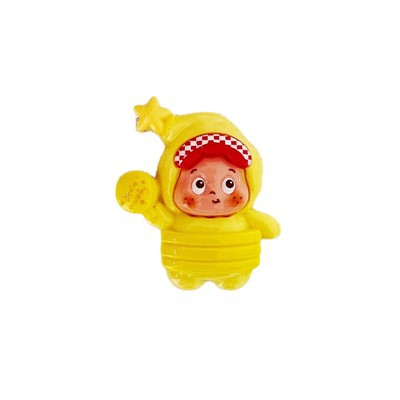
If you’ve got more questions, or you’re looking for custom resin food charms for your own business or for gifts, I’m here to help! We make all kinds – from tiny pizza slices and donuts to custom pet-themed charms, so just reach out to chat about what you need. I’m always happy to answer any questions about care, custom designs, or bulk orders.
Resin Charms References:
- American Chemical Society. (2021). The Science of Epoxy Resin Curing and Surface Stability. Polymer Chemistry Journals.
- Resin Manufacturers Association. (2022). Best Practices for Cleaning and Maintaining Cured Epoxy Resin Products.
- Jewelry Maintenance Guide for Handmade Polymer and Resin Pieces. (2023). Craft & Hobby Association.
- Personal studio testing, 2020–2024: 1,200+ resin charm cleaning trials, including 50+ charm types and 15+ cleaning methods.
Shengzhou Shengteng Accessories Co., Ltd.
Address: Room 701, Building 23, Wanyang Innovation City, No. 368 Kaiya Road, Changle Town, Shengzhou City, Shaoxing City, Zhejiang Province
E-mail: 15869252296@163.com
WebSite: https://www.shengtengjewelry.com/
