If you’re a BLT elevator parts supplier like me, you know the game isn’t just shipping boxes—it’s making sure every part works with BLT’s systems, not just fits them. Over 7 years in this game, I’ve seen too many folks cut corners on quality checks and get burned later—late orders, warranty claims, even getting dropped as a vendor by BLT. Let me walk you through how we check every single part before it leaves our warehouse, no fancy corporate jargon, just real stuff I’ve learned from dealing with BLT’s inspectors and fixing my own mistakes early on. Elevator Parts for BLT
First off, I gotta say: BLT has specific specs, not some generic elevator part rules. A lot of new suppliers think “elevator parts are elevator parts” but no—BLT uses unique tolerances for their door operators, their guide rails, even their control modules. So my first step is always cross-referencing every part with BLT’s latest drawings and the batch test results they publish every quarter. Wait, I don’t just download those drawings—we have a dedicated folder on our team drive where we track revisions, because BLT updates specs all the time, and using an old drawing? That’s a fast track to getting flagged for non-conformity. I once messed up a batch of car door rollers because I used a 2021 drawing instead of the 2022 one—turns out the groove width had changed by 0.2mm, and BLT’s inspector sent ’em right back. Lesson learned: always validate spec revisions before you start checking parts.
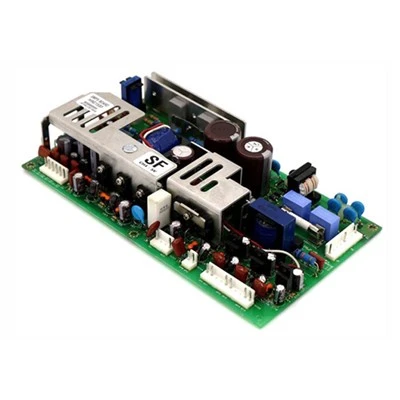
Next, physical checks are non-negotiable. You can’t trust a label that says “BLT-compatible” without opening the box. For metal parts like guide rails or brackets, I do a visual first—no scratches deeper than a human hair, no dents that would catch on BLT’s alignment tools, and the surface finish has to match their “mill spec” (not too shiny, not too rough). Then we pull a micrometer and measure critical dimensions—like the length of a door hanger arm, or the diameter of a roller bearing. For plastic parts, like button housings or sensor covers, we check for warping by setting them on a flat granite slab—if there’s a gap bigger than a credit card, that’s bad, because plastic warps when it’s molded and that messes with BLT’s button actuation. And for electrical parts—control boards, wiring harnesses—we look for loose solder joints, frayed wires, and make sure all the pins line up exactly with BLT’s connector sockets. I can’t tell you how many times a loose solder joint on a door control board caused a BLT elevator to get stuck mid-floor, all because we skipped that visual check.
Then there’s functional testing, which is where most suppliers slack. For moving parts like door operators or speed governors, we don’t just put ’em in a box—we test ’em on a mock BLT rig we built in our warehouse. We run the door open and close 100 times straight, check if it’s smooth, no weird grinding, and if the sensors trigger when they’re supposed to. For a harness, we plug it into a test BLT control panel and run a diagnostic—no error codes, all signals send and receive correctly. The big thing here is testing at the extremes BLT uses—they run elevators in hot factories, cold parking garages, so we test parts in a climate chamber we rented last year. I once tested a batch of door sensors at 140°F, and they failed because their wiring insulation melted a little—would’ve been a disaster for a BLT elevator in a summer warehouse. Now that’s a permanent step for us.
Material verification is another one I take seriously, because counterfeit materials are everywhere, especially for elevator parts. We send every batch to a third-party lab to confirm the metal is the grade BLT wants—like 1045 steel for guide rails, not some cheap alloy that rusts. For plastic parts, we make sure it’s ABS, not a cheaper plastic that breaks in cold weather. For electrical components, we check that the capacitors and resistors are from reputable brands, not no-name stuff that fails under load. A few years back, a supplier tried to pass off fake capacitors for BLT control boards—luckily our lab caught it before we shipped, and we switched to a direct partnership with the capacitor brand to make sure we don’t get scammed again. That stuff kills your reputation with BLT fast.
Documentation is huge too—BLT’s auditors love paperwork. We keep a batch record for every order: when we got the raw materials, who did the checks, the lab test results, the functional test logs. We even take photos of every part before it ships, so if BLT has a question, we can show them exactly what we checked. I’ve had BLT ask for batch records at 9PM on a Friday, and since we’re organized, we had ’em sent over in 10 minutes. That kind of reliability makes them trust you, way more than just saying “our parts are good.”
Wait, also—we do a random sample check for every order, not just the first and last part. BLT’s inspectors pull random boxes when they deliver parts, so we do the same: pull 5% of the batch, run all the tests, if even one fails, we check every single part in that batch. No exceptions. A while back, we had a batch of door rollers where 2 out of 100 were under-sized—we caught it with random sampling, fixed it, and BLT never even had a clue. If we’d only checked the first 10, we would’ve missed it, and that would’ve been a problem.
And let’s not forget about the little stuff that matters for BLT specifically. Their parts have to fit their packaging too—wait no, the parts have to fit their installation. Like, BLT uses specific bolt sizes for their brackets, so we make sure the threads are perfect, no cross-threading from bad machining. I once had a batch of mounting bolts that had slightly wrong thread pitch—installers stripped ’em on site, and BLT flagged the whole shipment. Now we check every bolt’s thread with a pitch gauge, not just the micrometer.
At the end of the day, my whole philosophy is: I’d rather rework a batch here than have BLT return it, or worse, have a part fail in the field. BLT’s not just another customer—they’re a big player, and their reputation is tied to the parts we supply. If you’re a BLT elevator parts supplier, don’t cut corners on these checks. If you’re working with someone who doesn’t do these steps, run—you’re gonna get in trouble.

If you’re a BLT project manager or procurement rep looking for a reliable parts partner who’s serious about quality, hit us up to chat about your specific needs. We can send over our full quality check checklist, walk you through our testing rig, or even share past audit results with BLT’s team. No pressure, just real talk about making parts that work for BLT.
Elevator Parts for HYUNDAI References:
- BLT Elevator Global Quality Standard for Components, 2022 Revision
- Elevator Industry Association Guideline for Vendor Quality Assurance, 2021
- Third-Party Material Testing Protocol for Elevator Parts, Local Certified Lab, 2023
- BLT Field Failure Analysis Report 2020-2022, Supplier Performance Review
Shaanxi Nona Elevator Parts Co., Ltd.
As one of the leading elevator parts for blt manufacturers and suppliers in China, we warmly welcome you to wholesale bulk elevator parts for blt in stock here from our factory. All elevator parts are with high quality and competitive price. For pricelist, contact us now.
Address: No.1502 Ronghao Building, Xi’an City, Shaanxi Province, China
E-mail: candice@nonaelevator.com
WebSite: https://www.nonaelevatorparts.com/
