Hey there! If you’re in the automotive industry or just someone who loves tinkering with vehicles, you’ve probably come across plastic clips. I’m in the business of supplying auto plastic clips, and let me tell you, there are some key differences between the plastic clips used in cars and those for other vehicles. In this blog, I’ll break it down for you. Auto Plastic Clips

Design and Functionality
Cars
Cars are all about precision and aesthetics. The plastic clips used in cars are often designed to be sleek and unobtrusive. They play a crucial role in holding various car components together, like the interior trims, door panels, and engine covers. These clips are engineered to fit snugly into pre – designed slots, ensuring a tight and secure fit.
For example, the clips used for the dashboard trims need to be strong enough to withstand vibrations and shocks while driving. At the same time, they should be easy to install and remove for maintenance purposes. Many car manufacturers also use retainer clips that are designed to be reusable, which is great for reducing waste and cost during repairs.
Another important aspect of car plastic clips is their appearance. Since the interior of a car is often on display, the clips need to look good. They are usually made in colors that match the surrounding components, so they blend in seamlessly.
Other Vehicles
When it comes to other vehicles, like trucks, buses, motorcycles, and off – road vehicles, the requirements for plastic clips can be quite different.
Trucks are built for heavy – duty work. The plastic clips used in trucks need to be extremely durable. For instance, the clips that hold the truck’s bedliner in place are subject to a lot of stress from heavy loads and rough terrain. They are typically larger and stronger than car clips, with a higher load – bearing capacity. Buses, on the other hand, have a different set of needs. They are built for passenger comfort and safety. The clips used in buses need to be reliable for holding panels that could impact passenger safety, such as emergency exit covers and side panels.
Motorcycles require clips that are lightweight and compact. Since motorcycles have limited space, the clips need to be designed to fit into tight areas. They also need to be able to handle high – speed vibrations. Off – road vehicles face even more extreme conditions. The plastic clips used in these vehicles need to be resistant to mud, water, and debris. They might have special coatings or designs to prevent corrosion and damage from the rough environment.
Material Selection
Cars
In cars, lightweight and high – performance plastics are commonly used for clips. Materials like nylon and polypropylene are popular choices. Nylon is known for its strength, flexibility, and resistance to wear. It can handle the constant vibrations and temperature changes that occur in a car’s engine compartment and interior. Polypropylene is also a great option because it’s lightweight, chemical – resistant, and relatively inexpensive. These materials allow car clips to be both functional and cost – effective.
Other Vehicles
For trucks and buses, thicker and more rigid plastics are often used. Polycarbonate is a common material for heavy – duty clips in these vehicles. It has excellent impact resistance and can withstand large amounts of force without breaking. In off – road vehicles, rubber – coated or silicone – treated plastics might be used to enhance the clips’ resistance to environmental factors. Motorcycles often use a combination of lightweight plastics with high – strength alloys in some cases. The alloy parts can add extra durability to the clip where needed, especially in areas that experience high stress.
Installation Requirements
Cars
Car plastic clips are designed to be installed with relative ease. Many can be easily snapped into place by hand or with the help of a simple tool. Car manufacturers often provide detailed instructions for the installation of components using these clips, making it possible for even DIY enthusiasts to perform basic repairs. This is because cars are more consumer – friendly in terms of maintenance, and the clips need to support this.
Other Vehicles
Installing plastic clips in other vehicles can be more complex. In trucks and buses, for example, large clips might require the use of specialized tools for installation. The tight tolerances and high – stress applications mean that proper installation is crucial. Off – road vehicles may have clips that need to be specially sealed to prevent water and dirt from getting in. And in motorcycles, the small size of the clips makes installation a more delicate process, often requiring fine – tipped tools and a steady hand.
Quantity and Variety
Cars
Modern cars are highly complex, and as a result, they use a large number of plastic clips. There can be dozens or even hundreds of different types of clips in a single car model. These clips come in a wide range of shapes, sizes, and functions, from small clips for securing wires to larger ones for holding major body panels.
Other Vehicles
While other vehicles also use plastic clips, the quantity and variety can differ. Trucks and buses may use a relatively smaller number of unique clip types compared to cars, but they are often used in much larger sizes. Motorcycles, on the other hand, use fewer clips overall because of their smaller size and simpler design. However, the clips they do use are often very specialized to fit the unique requirements of the bike.
Cost Considerations
Cars
In the car market, cost – effectiveness is a key factor. Car manufacturers are always looking for ways to reduce production costs without sacrificing quality. As a result, the plastic clips used in cars are generally priced competitively. The high volume of production also helps to keep the cost down. However, for luxury car models, the clips might be made from higher – end materials, which can increase the cost.
Other Vehicles
The cost of plastic clips for other vehicles can vary widely. Trucks and buses, which require more heavy – duty clips, may have a higher cost per clip. The specialized nature of the clips for off – road vehicles and motorcycles can also lead to higher prices. Additionally, the low – volume production of some niche vehicles may result in less – economical pricing for the clips.
Conclusion
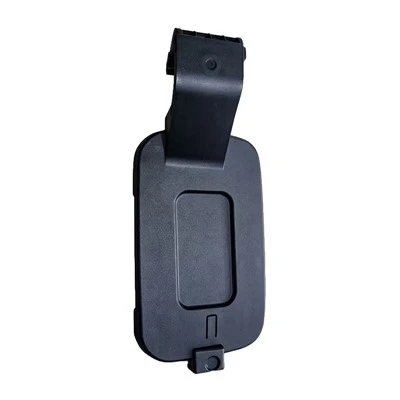
So, as you can see, there are significant differences between plastic clips for cars and those for other vehicles. Whether it’s the design, material, installation, quantity, or cost, each type of vehicle has its own specific requirements.
Automotive Plastic Air Vent Housing If you’re in the market for auto plastic clips, whether for cars or other vehicles, I’m here to help. As a supplier, I’ve got a wide range of high – quality plastic clips that can meet your needs. Whether you’re a car manufacturer, a repair shop, or a DIY enthusiast, I can provide the right clips at a competitive price. Get in touch with me to discuss your procurement needs, and let’s find the perfect plastic clips for your vehicles.
References
- Automotive Plastic Components Handbook
- Vehicle Manufacturing Technologies Journal
- Plastic Materials in Transportation Research Reports
Ningbo Xiaohua Plastic Industry Co., Ltd.
We are one of the most experienced auto plastic clips manufacturers and suppliers in China, specialized in providing high quality customized service to global clients. We warmly welcome you to wholesale durable auto plastic clips in stock here from our factory.
Address: No. 878, Gulin Section, Yinxian Avenue, Haishu District, Ningbo City, Zhejiang Province
E-mail: 13736009355@163.com
WebSite: https://www.cnxiaohua.com/
